























































Walk into an Indian grocery store in the UK, and you will probably find Aachi products somewhere in the spice aisle. The familiar red and yellow packaging has earned its place in many South Asian kitchens, particularly among Tamil and Sri Lankan households.
For retailers, that familiarity matters. Customers who have used a particular masala for years are unlikely to experiment with a different brand every time they shop. They know what they are buying, how it tastes and how much they need.
If you are considering Aachi products wholesale in the UK, the real question is not whether to stock the brand, but which products deserve space on your shelves and how to manage your inventory without spending more than necessary.
Here is what to consider before placing your next wholesale order.
Why Aachi Continues to Find Its Way into UK Kitchens
Food shopping is often tied to habit. People look for the ingredients they grew up cooking with, whether they are preparing a weekday sambar or making biryani for a family gathering.
Aachi caters to these everyday preferences with a range of spices, masalas and convenient cooking products.
For grocery retailers, this translates into several practical advantages:
-
Familiarity: The brand has established recognition among Tamil, South Indian and Sri Lankan shoppers.
-
Repeat purchases: Spices and cooking mixes are pantry essentials that customers replenish regularly.
-
Product variety: Retailers can stock everything from basic spice powders to specialised regional blends.
-
Convenience: Ready-made mixes help customers prepare familiar dishes without buying multiple ingredients separately.
There is also an opportunity to increase the value of each purchase. Someone buying chicken masala might also need chilli powder, turmeric or ginger garlic paste. Keeping related products together makes it easier for customers to pick up everything in one visit.
The Aachi Products Your Customers Are Likely to Look For
A common mistake when introducing a new brand is ordering too many products before understanding customer demand. A better approach is to start with familiar essentials and expand as you learn what sells.
Here are five product categories worth considering.
Everyday Masalas for Home Cooking
Chicken masala, mutton masala, fish fry masala and biryani masala are useful additions to a store serving customers who cook South Indian meals regularly.
These products are particularly relevant to households that prefer traditional flavours but do not want to prepare spice blends from scratch.
The Spice Essentials No Grocery Store Should Overlook
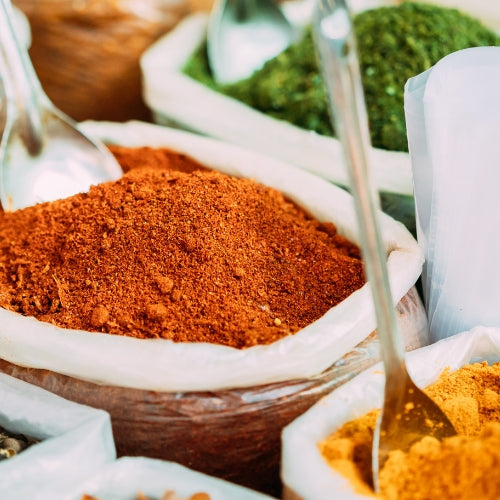
Chilli powder, coriander powder, turmeric and cumin are not occasional purchases. They feature in everyday cooking, making them important products for maintaining consistent shelf availability.
If you are building your Aachi range from the ground up, these are sensible products to consider alongside popular masalas.
Sambar and Rasam: Everyday Favourites That Deserve Shelf Space
For South Indian customers, sambar and rasam are part of regular meal planning. Their powders are familiar pantry staples, particularly among shoppers who want consistent flavour without preparing the spice mixture themselves.
Keeping these products available throughout the year can help establish repeat sales.
Ready-to-Cook Mixes for Busy Households
Not every customer has the time to soak, grind and prepare ingredients. Idli, dosa and vada mixes offer a convenient alternative for busy households.
These products can also appeal to shoppers who are less familiar with traditional preparation methods but enjoy South Indian food.
Pastes and Pickles That Complete the Range
Ginger garlic paste and pickles add variety to the range. They also create opportunities for cross-selling, especially when displayed near cooking spices and ready-to-cook products.
Before ordering, check the current catalogue, pack sizes and availability. You can explore the Aachi products range at Lakshmi Wholesale to see what is available.
Getting Your Wholesale Sourcing Right
Wholesale purchasing is not simply about comparing prices. A supplier might offer a lower rate, but if deliveries are inconsistent or products arrive close to their expiry dates, the savings can quickly disappear.
When choosing an Aachi wholesale supplier in the UK, pay attention to the following.
Product authenticity: Check that your supplier sources genuine products through reliable distribution channels.
Shelf life: Look at the dates before accepting deliveries. Products with limited remaining shelf life can be difficult to sell, particularly if you are introducing a new line.
Pack size options: Smaller packs can help attract first-time buyers, while larger packs may suit customers who cook frequently. A combination allows you to serve different purchasing habits.
UK-compliant labelling: Imported food products must meet applicable UK food labelling requirements, including ingredient, allergen and date information. Retailers should check that products are correctly labelled before placing them on sale. The Food Standards Agency provides guidance on food labelling and allergen information.
Consistent availability: A supplier who communicates stock shortages and delivery delays early gives you time to make alternative arrangements.
These details are worth discussing before you commit to a regular purchasing arrangement.
How to Buy in Bulk Without Tying Up Your Cash
Bulk buying can reduce the cost per unit and make it easier to maintain stock of products that sell consistently. However, ordering large quantities without knowing your sales pattern can tie up working capital and valuable shelf space.
The solution is to approach bulk purchasing with a little planning.
Start by identifying the products your customers already request. Order manageable quantities, track sales over the following weeks and compare how quickly each line moves.
For example, if sambar powder sells steadily while a particular speciality masala moves more slowly, your next order should reflect that difference.
It is also worth considering:
-
Your available storage space.
-
The remaining shelf life of each product.
-
Seasonal changes in customer demand.
-
The time required to receive replacement stock.
-
The margin you need to maintain after delivery costs.
A well-planned wholesale order should help your business operate smoothly, not leave you struggling to clear excess inventory.
What a Good Wholesale Distributor Should Bring to the Table
A wholesale distributor should be able to support your business beyond the initial sale. This is particularly important for independent grocery stores that need to manage purchasing, deliveries and customer expectations with limited staff.
Before opening an account, ask a few straightforward questions:
-
Is there a minimum order value?
-
Which areas of the UK do you deliver to?
-
How frequently can I place orders?
-
Can I combine Aachi products with rice, lentils, flour and other groceries?
-
What is the process for reporting damaged or incorrect goods?
-
Can you help me identify suitable products for my store?
Clear communication makes a difference when you are managing regular stock replenishment. It also helps you understand whether a distributor can support your business as it grows.
The Convenience of Ordering Indian Groceries Online
Running a grocery store leaves little time for unnecessary trips to suppliers. Online wholesale ordering offers a practical alternative, allowing retailers to browse products, compare pack sizes and plan purchases at their convenience.
An online Indian wholesale supermarket also makes it easier to consolidate orders.
Instead of purchasing spices from one supplier, rice from another and snacks from a third, retailers can explore a wider grocery catalogue and arrange their purchases together.
This can simplify several aspects of daily operations:
-
Fewer separate orders to manage.
-
Less time spent travelling to wholesale markets.
-
Easier repeat purchasing.
-
Better visibility of available products.
-
More convenient stock planning.
At Lakshmi Wholesale, retailers can browse the Indian grocery wholesale range and include Aachi products in their regular grocery orders.
Small Shelf Changes That Can Make a Difference
Once your stock arrives, presentation becomes the next consideration. Even popular products can be overlooked if customers struggle to find them.
A few small adjustments can make the shopping experience easier.
-
Arrange products by use: Keep chicken masala, ginger garlic paste and related cooking ingredients close to one another. Do the same for sambar powder, rasam powder and other South Indian essentials.
-
Give popular products visible shelf space: Place frequently purchased items where customers can spot them easily.
-
Stock different pack sizes: Allow customers to choose between trying a product and buying it for regular household use.
-
Keep prices clear: Shelf labels showing the price and weight help shoppers make quick decisions.
-
Rotate stock regularly: Move older batches to the front and newer deliveries to the back.
-
Experiment with product combinations: Pair idli mix with sambar powder or biryani masala with complementary ingredients. Bundling can encourage additional purchases, provided the pricing works for your margins.
-
These changes do not require a major investment. They simply make it easier for customers to find what they need.
Setting Up Your Trade Account with Lakshmi Wholesale
If you are planning to introduce Aachi products or expand your existing range, setting up a trade account is a straightforward starting point.
Register your business, share some information about your store and let the team know which products you typically stock. This helps identify a suitable range based on your requirements rather than encouraging you to order products you may not need.
Once your account is active, you can place repeat orders online as your inventory requires.
Visit the Lakshmi Wholesale trade account page to get started, or contact the team to discuss your requirements before ordering.
Bringing Aachi to Your Grocery Shelves
Aachi products have a familiar place in many Indian and Sri Lankan households across the UK. For grocery retailers, that familiarity creates an opportunity to build repeat business through a carefully selected range of everyday spices, masalas and cooking essentials.
The key is to balance customer demand with sensible purchasing. Start with products your shoppers recognise, monitor sales and work with a supplier who understands the importance of genuine stock, clear communication and dependable delivery.
Lakshmi Wholesale supplies grocery retailers across the United Kingdom with Aachi products and a wide selection of Indian grocery essentials. Whether you are placing your first wholesale order or replenishing an established range, get in touch to discuss current availability, pricing and delivery options.


