





















































Access Denied
IMPORTANT! If you’re a store owner, please make sure you have Customer accounts enabled in your Store Admin, as you have customer based locks set up with EasyLockdown app. Enable Customer Accounts


Best Indian Pulses to Buy in Bulk for Retail Stores
Posted By Sushmitha ES
on
Walk into any Indian grocery store’s pulses aisle and you’ll see the same five or six dals sitting on repeat, week after week. That’s not a coincidence , it’s because Indian households don’t experiment much with pulses; they buy what they grew up cooking. For a retailer, that predictability is actually an advantage. It means getting your wholesale Indian pulses UK stock right isn’t about guessing trends , it’s about knowing exactly which dals move fastest and never letting those run dry.
Most sourcing guides for pulses read like a nutrition textbook , protein content, fibre percentages, health benefits. Useful for a customer, not particularly useful for a retailer deciding what to stock and how much. Here’s what actually matters from the shelf side.
The Pulses That Should Never Run Out
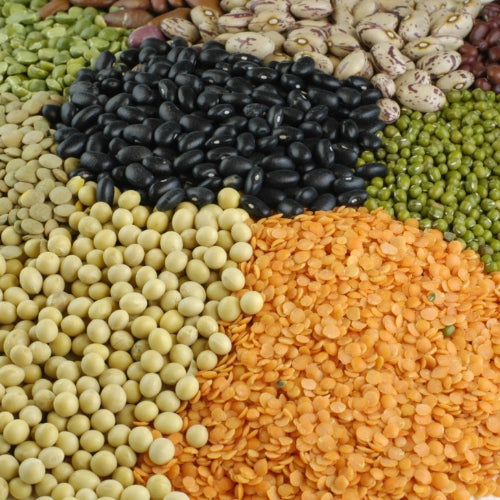
If you stock nothing else in bulk, stock these five , they cover the vast majority of daily cooking across North and South Indian households alike:
-
Toor Dal (Arhar/Pigeon Peas) , the single most-bought dal in most Indian grocery stores. Sold in both “oily” (polished) and “unoily” variants; stores serving South Indian customers especially should stock a dedicated restaurant-grade toor dal, since sambar and rasam are near-daily dishes in many households.
-
Moong Dal , comes in yellow (split, skinned), green split, and whole green gram. Households buy multiple forms for different dishes, so stocking only the yellow split version leaves money on the table.
-
Chana Dal , split Bengal gram, used across curries, snacks, and festival sweets. Demand for this spikes hard around Diwali and other festival periods.
-
Masoor Dal , red split lentils, popular for their quick cooking time. This is often the first dal a newer or younger customer buys, since it needs no soaking.
-
Urad Dal , essential for South Indian households specifically, since idli and dosa batter depends on it. Stock both Urad Gota (whole, skinned) and Urad Chilka (split, with skin) , they’re used for different things and aren’t interchangeable.
Why One Size Bulk Packaging Doesn’t Work for Pulses
A common mistake retailers make when buying bulk pulses is treating packaging as an afterthought. It shouldn’t be. Household customers want 1kg and 2kg resealable packs they can grab off a shelf. Restaurants and caterers buying from you want 15–25kg sacks at a genuinely lower per-kg rate , not the same retail packaging split into a bigger bag.
If your dal wholesale UK supplier can only offer one packaging format, you’re either overcharging your bulk customers or undercharging your household ones. The retailers who do well with pulses are the ones who source from a lentils supplier that can service both ends , retail-ready pouches and catering-grade sacks , from the same batch of stock, so quality stays consistent across both.
Quality Checks That Actually Matter
Pulses look deceptively simple to judge , most people assume “dal is dal.” It isn’t. A few checks worth insisting on before committing to a supplier:
-
Sortex-cleaned stock, this means the pulses have been mechanically sorted to remove stones, husk, and discoloured grains. Unsorted or poorly sorted dal creates customer complaints fast, and complaints about foreign material in food are the kind that damage a store’s reputation quickly.
-
Moisture content, pulses stored above safe moisture levels are prone to weevils and spoilage, especially problematic for stores holding several weeks of stock at a time.
-
Consistent grading, split dals should be uniform in size and colour within a batch. Inconsistent grading usually signals mixed-harvest or lower-grade stock being sold at a premium price.
-
Polished vs. unpolished, some customers specifically want unpolished dal for perceived health reasons. If your supplier can’t tell you which they’re sending, that’s a red flag on their own sourcing transparency.
Bulk Buying Makes the Biggest Difference on Margin , If You Do It Right
Pulses have relatively long shelf lives compared to something like flour or fresh spices, which makes them one of the safer categories to buy in real bulk. The margin difference between buying 5kg bags repeatedly versus committing to genuine bulk pulses in 25–50kg quantities from a wholesale importer can be substantial , often the single biggest margin lever available in the dry-goods aisle.
The catch is storage. Bulk pulses need to be kept cool, dry, and pest-controlled, or the savings from buying bulk get eaten up by spoilage. Retailers without proper dry storage are often better off buying slightly smaller bulk quantities more frequently rather than maximising order size and risking waste.
Building Loyalty Through the Pulses Aisle
Pulses don’t get the same attention as basmati rice or spices in most retail strategy conversations, but they’re bought just as consistently , arguably more so, since dal is a near-daily staple in a way rice sometimes isn’t. A store that never runs out of toor dal, stocks both forms of urad dal, and keeps its chana dal well stocked ahead of festival season builds exactly the kind of quiet, dependable reputation that keeps customers loyal without ever needing a sale or a discount to bring them back.
If you’re sourcing wholesale Indian pulses UK-wide for a grocery store, restaurant, or catering business, working with a dal wholesale UK supplier who understands both household and bulk catering demand , and can deliver consistent quality across both , makes stocking this category far less of a guessing game. As an Indian wholesale grocery store online and Lakshmi wholesale supermarket online, we supply exactly this kind of dependable, batch-consistent bulk pulses stock to retailers and caterers across the UK.
Related Posts


Navratri Pooja Essentials Wholesale for UK Retailers
Navratri is one of the most widely celebrated Hindu festivals among Indian communities across the UK. The nine-day festival...
Read More

Choose the Right Vinayagar Chaturthi Kit for Your Customers
Vinayagar Chaturthi is an important occasion for Hindu families across the UK. In the days leading up to the...
Read MoreInvalid password
Enter