






















































Access Denied
IMPORTANT! If you’re a store owner, please make sure you have Customer accounts enabled in your Store Admin, as you have customer based locks set up with EasyLockdown app. Enable Customer Accounts


How to Plan Your Festive Stock for Diwali, Pongal & Onam, A Wholesale Planning Guide for UK Retailers?
Posted By Anjaline Jayakumari
on
If you run an Indian grocery shop, a cash and carry, or a food retail business serving South Asian communities in the UK, you already know that the three months covering Onam, Diwali, and Pongal are not just busy, they are make-or-break. Shelves that run empty during Diwali week do not just cost you a sale. They cost you the customer who drove twenty minutes to find payasam mix and left empty-handed, and who will remember that next year when they are deciding where to shop.
Festive stock planning is one of those things that looks obvious in retrospect and catches you off guard every single time. This guide is for UK retailers who want to get ahead of it, with a clear framework for what to stock, when to order, and how to work with your Indian wholesale grocery store online to make sure the right products are in place before demand peaks.
Understanding the Three Festivals and What They Drive
These are not interchangeable events. Each festival has its own food culture, its own regional audience, and its own purchasing patterns. Treating them as one generic “festive season” is where a lot of retailers go wrong.
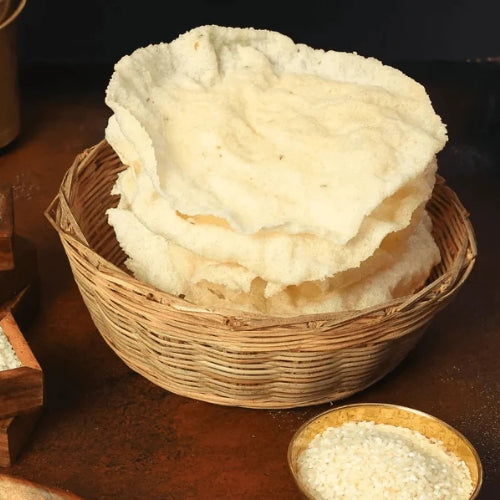
Onam falls in August or September and is primarily a Kerala festival. The centrepiece is the Onam Sadya, a traditional feast served on a banana leaf, which means demand spikes for specific Kerala staples: red matta rice, coconut oil, papadum varieties, raw bananas, yam, and the range of pickles and preserves that make up the full sadya spread. Customers shopping for Onam know exactly what they need and will go elsewhere if you do not have it.
Diwali is the biggest commercial moment of the Indian festive calendar in the UK, and it draws the widest audience, North Indian, South Indian, Gujarati, and beyond.Diwali wholesale groceries UK demand covers a broad range: mithai ingredients, ready-made sweets, dry fruits, gift packs, pooja items, and an enormous uptick in general grocery shopping as families cook at scale. This is also when bulk festive sweets UK orders from restaurants, sweet shops, and caterers come in.
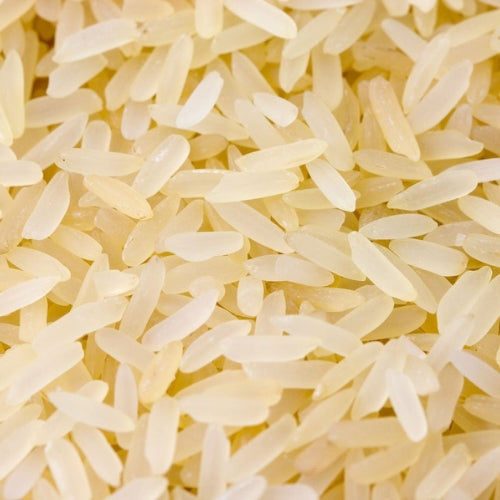
Pongal arrives in January and is predominantly a Tamil festival, celebrated with fresh harvest produce. The shopping list centres on new season rice, jaggery, turmeric with root attached, sugarcane, and the specific lentils and ghee used in the traditional pongal dish. Pongal stock UK demand is more concentrated and more predictable than Diwali, but it catches retailers short just as often because it falls in January, when attention has drifted post-Christmas.
When to Start Ordering, and Why Most Retailers Start Too Late
The rule of thumb that works consistently: add four weeks to whenever you think you need to start.
For Onam, that means placing your wholesale order in late July at the latest. Kerala groceries move fast in August, and certain items, quality coconut oil, specific papadum varieties, fresh produce, have limited availability at short notice.
For Diwali, October delivery is already late for the most in-demand lines. Dry fruits, mithai mixes, and Indian festival wholesale UK gift packs start moving in September. If you are ordering in early October hoping to be ready for Diwali, you will be behind.
For Pongal, the window is tight. New season rice and fresh turmeric need to be sourced in late December. Most retailers treat January as a quiet month and miss it entirely.
The retailers who consistently perform well during festive periods are the ones who have a standing relationship with their Indian wholesale supermarket online supplier and are placing forward orders rather than reactive ones.
Building Your Festive Stock List
Rather than trying to predict everything, focus on three tiers.
Tier one, the non-negotiables. These are the lines customers will specifically come in for and will leave if they cannot find it. For Onam: matta rice, coconut oil, Nirapara or Brahmins products, fresh curry leaves. For Diwali: dry fruits (cashews, almonds, pistachios), ready-made mithai, pooja items, premium basmati. For Pongal: raw rice, jaggery, turmeric with root, fresh sugarcane if you can source it.
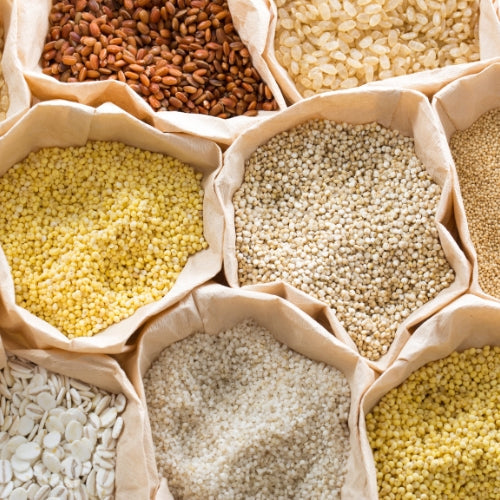
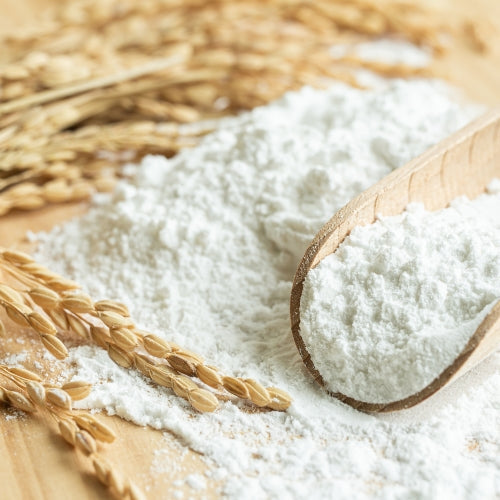
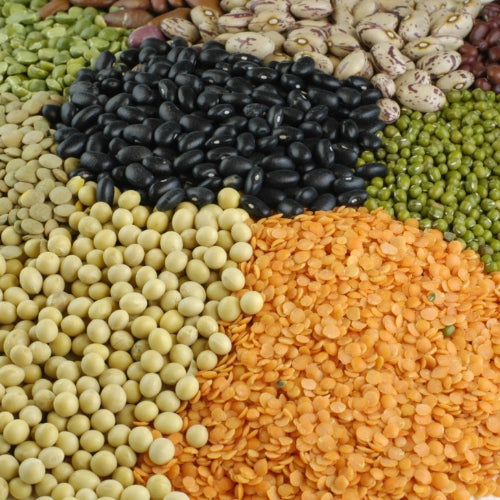
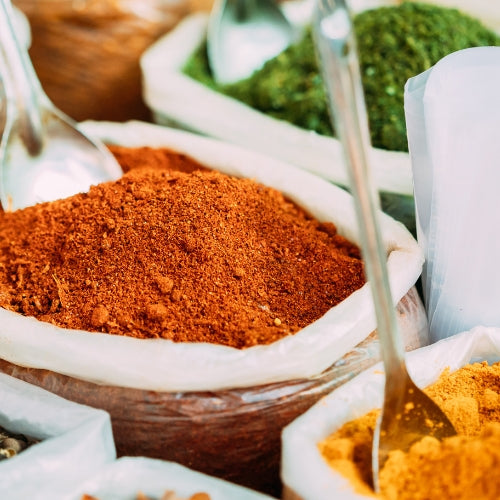
Tier two, the high volume staples. Every festival drives a general cooking spike. Lentils, ghee, spices, and flour all move significantly faster than usual in the weeks surrounding each festival. Keep more than you think you need.
Tier three, the gift and premium range. Diwali in particular drives demand for premium packaged goods, hampers, premium snack boxes, beautifully packaged dry fruit tins. These carry better margins and are increasingly popular with UK Indian customers who want to give something presentable.
Managing Fresh and Perishable Lines
Festive periods create real pressure on fresh produce and short shelf-life items. A few things that help:
Order in phases rather than all at once. A large single order placed two weeks before Diwali is riskier than two or three smaller orders across the preceding month. Staggering means you can adjust based on what is moving.
Communicate with your supplier early. A good Onam wholesale UK supplier or Diwali wholesaler will have visibility on what is selling across their retail customer base. They can tell you what is moving fast and what is sitting. Use that intelligence.
Plan your chilled and ambient space before you order. Running out of refrigeration space for coconut-based products during Onam, or not having the shelf space for Diwali dry fruit lines, is a planning failure that no amount of good stock buying can fix.
The Financial Case for Planning Ahead
Bulk buying for festivals is not just a logistics decision. The financial argument is straightforward. Wholesale pricing on Indian festival wholesale UK lines is more favourable when you order in advance and in volume. Rush orders placed close to peak dates almost always cost more and have lower availability on key lines.
According to the Federation of Small Businesses, independent retailers who plan seasonal stock purchases at least six weeks in advance report significantly fewer stockouts and better gross margins across key selling periods.
Better stock planning also reduces waste. Ordering reactively tends to mean over-ordering on some lines and under-ordering on others. A planned approach, built around historical sales data and supplier forecasts, gets you closer to the right quantities.
Working with Lakshmi Wholesale
Lakshmi Wholesale is one of the UK’s established names in Indian wholesale grocery store online supply, with a range that covers the full South Asian pantry, from ambient grocery and bulk spices to fresh produce, frozen lines, and festive speciality products.
For retailers planning their Diwali, Onam, and Pongal stock, we offer forward ordering, trade account pricing, and dedicated account support during peak periods. Whether you are running a single shop or managing multiple locations, the earlier you are in conversation with us, the better placed you will be when demand peaks.
Do not wait until September to think about Diwali. Do not wait until December to think about Pongal. The retailers who win the festive season are the ones who planned it in May.
Related Posts


Choose the Right Vinayagar Chaturthi Kit for Your Customers
Vinayagar Chaturthi is an important occasion for Hindu families across the UK. In the days leading up to the...
Read More

Vinayagar Chaturthi 2026: Wholesale Products UK Retailers Should Stock
Vinayagar Chaturthi is a special festival for Hindu families in the UK. It celebrates the birth of Lord Vinayagar,...
Read MoreInvalid password
Enter