









































Access Denied
IMPORTANT! If you’re a store owner, please make sure you have Customer accounts enabled in your Store Admin, as you have customer based locks set up with EasyLockdown app. Enable Customer Accounts


Popular Native Foods Products Your Grocery Shop Should Stock
Posted By Tamil Selvam
on
Every grocery shop owner knows the value of products that bring customers back. Someone visits for their usual cooking oil, picks up a breakfast mix and asks whether you also stock their favourite millet products. Having the right range makes those everyday shopping trips easier.
For Indian grocery shops in the UK, traditional ingredients and convenient cooking products can sit comfortably alongside rice, spices and pulses. The aim is to give customers useful choices without filling your shelves with products that take months to sell.
If you are exploring Native Foods products wholesale UK options, start with products that fit your customers’ cooking habits. This guide looks at the Native Food Store range listed by Lakshmi Wholesale and explains how to build a practical selection for your shop.
Start with Products Your Customers Understand
Before placing an order, think about what customers already ask for. Do they regularly buy ingredients for South Indian breakfasts? Are they looking for country sugar or traditional cooking oils? Do they recognise millet names such as ragi, thinai and samai?
These conversations give you a better starting point than ordering every available variety.
Some customers will know exactly which product they want. Others may recognise the ingredient but need help choosing between flakes, rava and dosa mixes. A clear shelf layout and a simple explanation can make that choice easier.
Start with a manageable selection, watch what sells and expand gradually. Your first order should help you learn what suits your shop.
1. Millet Dosa Mixes for the Breakfast Shelf
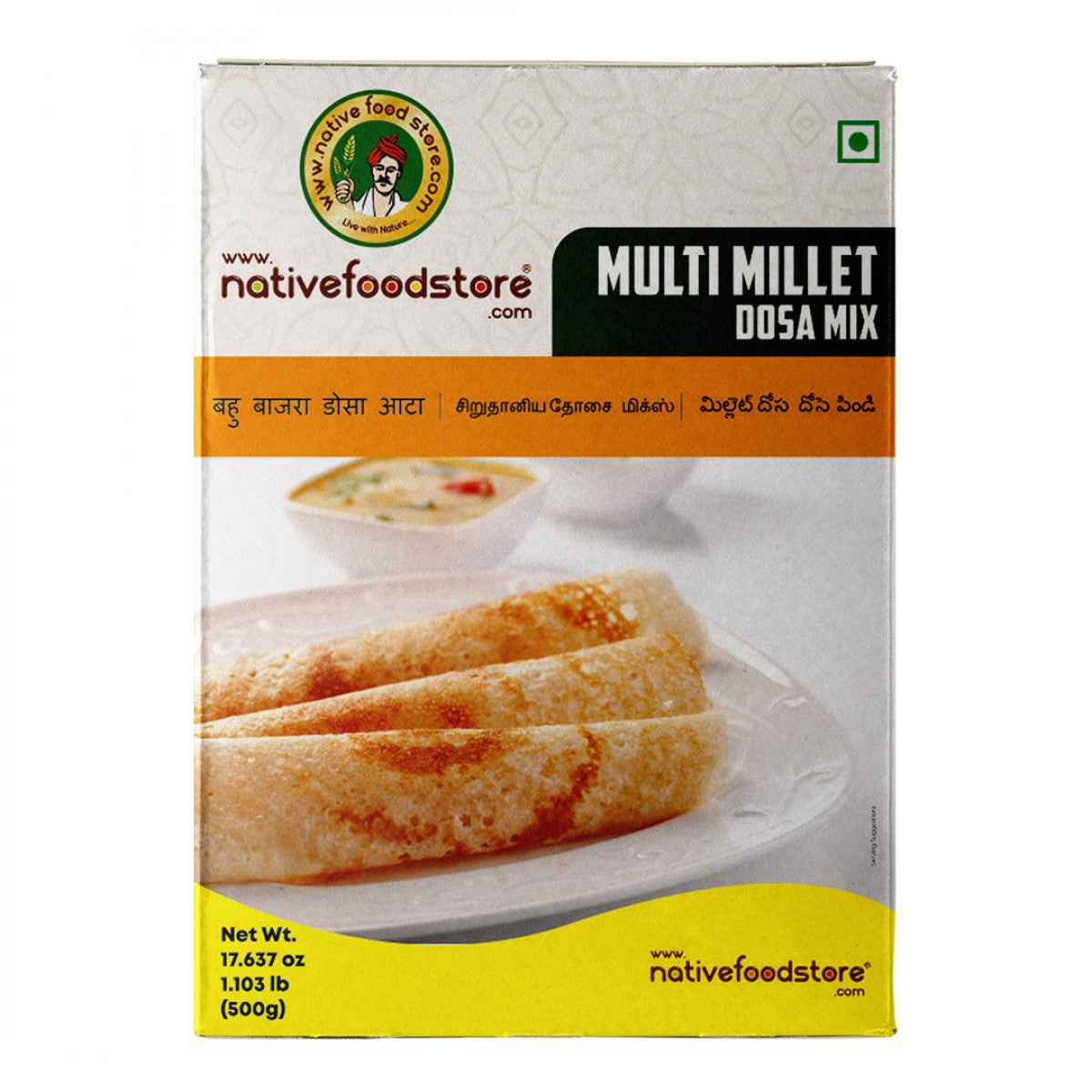
Dosa mixes give retailers a straightforward way to introduce millet products through a familiar meal. Customers who already make dosa may find a packaged mix easier to understand than an unfamiliar whole grain.
Lakshmi Wholesale lists Native Food Store dosa mixes made with foxtail millet, little millet, barnyard millet and pearl millet, alongside a multi-millet ada dosa mix. These appear in 500g packs.
For a smaller shop, begin with a few varieties rather than giving equal space to every option. Ask regular customers which ones they would buy, then use those answers to guide your order.
Place the mixes near other breakfast products so shoppers can find them easily. Shelf labels can show both the English and regional names, helping customers recognise the variety they use at home.
When answering preparation questions, follow the instructions printed on each pack. Different mixes may need different methods.
2. Millet Flakes for Customers Who Want More Choice
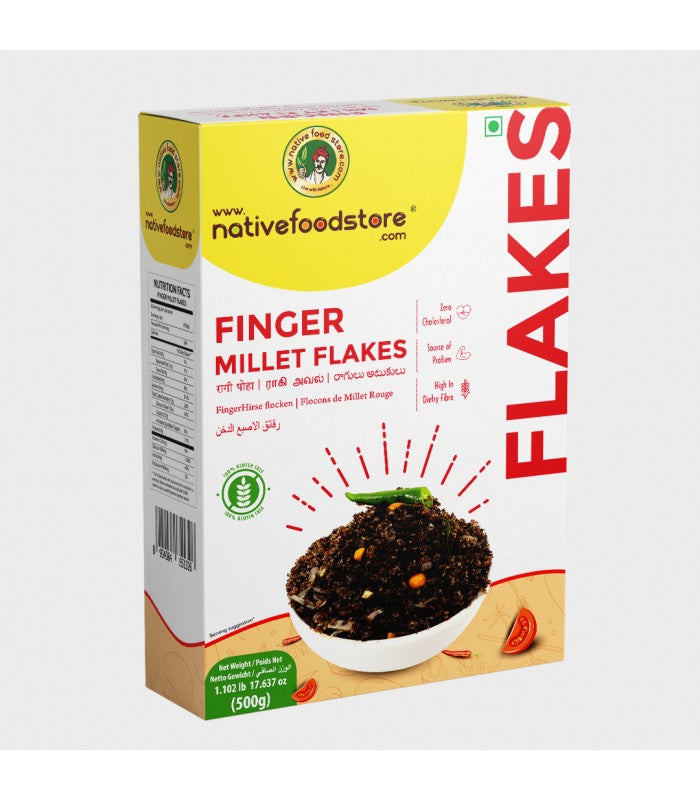
Millet flakes can add variety to a breakfast section that already includes oats, rice flakes and cereals.
Rather than expecting shoppers to understand the product immediately, make its place on the shelf clear. Group similar items together and keep the product name visible. Customers should be able to compare varieties without searching through several sections.
For retailers, the useful question is which flakes customers will actually buy again. Introduce a limited selection and review repeat purchases before adding more. You might also ask customers what they normally prepare with flakes. Their answers can help staff understand local preferences and suggest where the products belong.
Avoid describing every millet product as suitable for every diet. If shoppers ask about ingredients, allergens or preparation, check the packaging and give them the information available there.
3. Millet Rava for Familiar Everyday Cooking
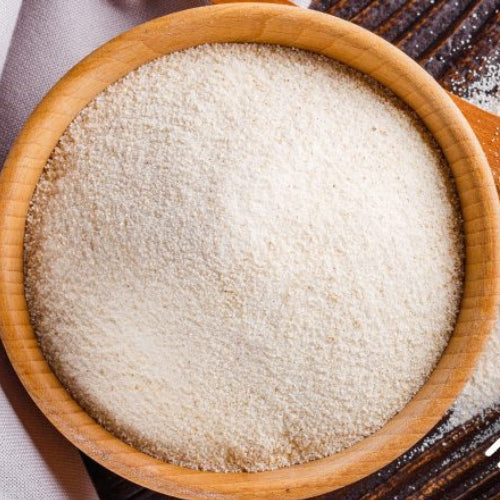
Millet rava offers another way to build a traditional grocery range. It may appeal to customers who already use rava and want to explore different grain options.
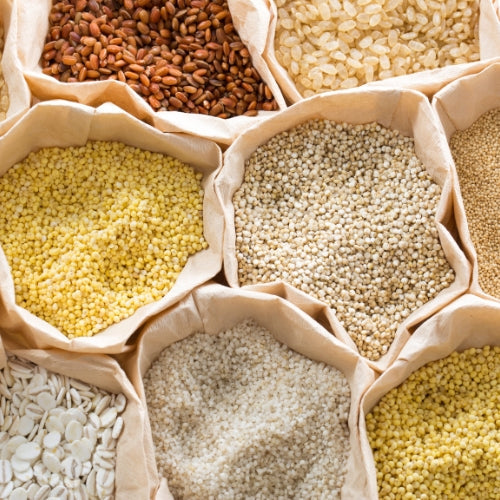
Lakshmi Wholesale’s collection includes pearl millet and finger millet rava, together with flakes made from little millet, foxtail millet, barnyard millet, kodo millet and finger millet.
Keep rava close to related cooking ingredients rather than placing all millet products in an isolated corner. A customer buying their usual breakfast ingredients is more likely to notice a nearby alternative.
Simple naming matters here. A label showing “ragi finger millet” helps connect the name on the pack with the name a shopper knows.
Start with quantities that match your shelf space. A tidy, well-stocked display of two varieties is easier to manage than a large range with only occasional sales.
4. Cold-Pressed Oils for the Cooking Essentials Aisle
Cooking oils deserve attention because they are part of regular grocery shopping. Customers may have a preferred oil for particular dishes and look for the same product each time they visit.
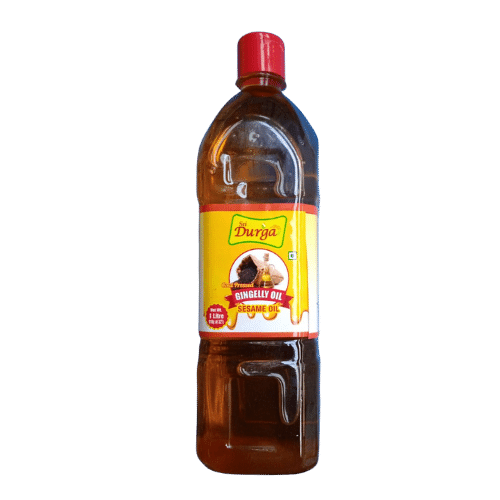
Native Food Store cold-pressed groundnut oil and sesame, or gingelly, oil are listed in one-litre bottles in Lakshmi Wholesale’s oils collection.
Display different oils clearly so customers can identify the type they need. Groundnut and sesame oil should have their own shelf labels rather than sitting under one broad description.
Check bottle condition when deliveries arrive and follow the storage guidance on the label. Keep the shelves clean and rotate stock consistently.
For shops serving restaurant customers, ask whether the available bottle sizes suit their purchasing needs. A product that works well for household shoppers may need a different ordering quantity for a commercial kitchen.
5. Jaggery Powder for Traditional Grocery Customers
Jaggery powder is another product to consider alongside everyday staples. Customers looking for traditional ingredients may ask for it by name, while others may know it as country sugar.
The Native Food Store collection at Lakshmi Wholesale lists jaggery powder in 500g and 1kg packs.
Offering different sizes gives customers a choice, but you do not need to order equal quantities of both. Watch which pack size suits your shoppers.
Place it near other sugars and sweeteners, with the name and price clearly displayed. If customers regularly ask where it is, improve the shelf sign rather than relying on staff to direct everyone.
Seasonal enquiries can help with planning, too. Record requests ahead of celebrations and family occasions, then use those notes when preparing future orders.
Build a Range That Works Together
A useful product range should make sense as a whole. Breakfast mixes, flakes, rava, oils and jaggery each serve different shopping needs, allowing customers to find several familiar ingredients in one visit.
However, variety only helps when the products earn their space.
Start by choosing a few items from each relevant category. Compare sales over several ordering cycles and identify which products attract repeat purchases. Keep notes on requests for missing varieties.
When ordering bulk Native Foods products, consider the balance between buying quantities and likely sales. An attractive unit price is only useful if you can sell the stock within a sensible period.
Leave room to adjust. Your customers’ preferences should shape the range as it develops.
Make Products Easy to Find and Compare
Good shelf presentation does not need an expensive display. Clear labels, sensible grouping and visible prices often do most of the work.
Keep similar products together and make sure the front of each pack is easy to read. Avoid overcrowding shelves, especially when several varieties have similar packaging.
Staff should know the basic differences between the products you stock. They do not need a long sales script. Being able to explain that one item is a dosa mix and another is millet flakes may be enough to help a customer choose.
If your shop sells online, use accurate titles and clear photographs. Include pack sizes and relevant label information so customers can compare products before adding them to their basket.
Check the Details Before Ordering Wholesale
Choosing a Native Foods supplier UK businesses can work with involves more than comparing prices.
Before confirming an order, check pack sizes, case quantities, available stock and delivery arrangements. Ask about remaining shelf life where this affects your purchasing decision.
These details matter whether you buy through a sales representative or an Indian wholesale grocery store online. A product page may show an individual pack, so confirm how many units your trade order includes.
Retailers using an Indian wholesale supermarket online should also review their basket carefully. Similar product names can make it easy to order the wrong variety.
A short check before payment can prevent avoidable mistakes and save time when the delivery arrives.
Use Sales Records to Improve Repeat Orders
Once the products are on your shelves, let actual sales guide your next purchase.
Review quantities sold, remaining stock and customer enquiries. Notice whether an item sells steadily or only after staff explain it. Check whether customers return for the same variety.
If one product moves slowly, investigate before removing it. The issue might be shelf position, unclear labelling or a pack size that does not suit your customers.
When comparing Native Foods wholesale options, think about ordering flexibility as well as price. Your shop may need to reorder popular items more often while keeping smaller quantities of slower lines.
A clear stock record makes those decisions easier and reduces guesswork.
Plan Your Next Native Foods Order
You do not need the largest range to serve customers well. You need products they recognise, useful choices and a reliable way to replenish the items they return for.
Begin with a selection that suits your local shoppers. Give each product a clear place, help customers understand unfamiliar varieties and review sales before expanding.
If you are searching for a Native Foods distributor UK retailers can contact, explore the Native Food Store collection and confirm current availability and trade ordering details.
Build your order around customer demand, and let repeat purchases show you which products deserve a lasting place on your shelves.
Related Posts


Navratri Pooja Essentials Wholesale for UK Retailers
Ask anyone who runs an Indian shop in the UK about the week before Navratri, and you'll probably get...
Read More

Navratri Pooja Essentials Wholesale for UK Retailers
Navratri is one of the most widely celebrated Hindu festivals among Indian communities across the UK. The nine-day festival...
Read MoreInvalid password
Enter