














































Access Denied
IMPORTANT! If you’re a store owner, please make sure you have Customer accounts enabled in your Store Admin, as you have customer based locks set up with EasyLockdown app. Enable Customer Accounts


Why Basmati Rice Is a Must-Have for Every UK Grocery Store
Posted By Anjaline Jayakumari
on
If you run a grocery store anywhere near a South Asian community in the UK, you already know one thing: basmati rice isn’t a shelf filler, it’s a trust test. Get the right stock in, and customers come back weekly. Get it wrong, stale grain, broken bags, an unfamiliar brand nobody recognises, and they walk to the store two streets over that stocks it properly. That’s exactly why finding a dependable source of wholesale basmati rice UK retailers can rely on, order after order, matters more than most stores realise until they get it wrong once.
That’s the part most supplier blogs skip. They’ll tell you basmati is the queen of rice with a distinct aroma, as if that’s news to anyone stocking a grocery shelf. What actually matters for a retailer is sourcing it right, pricing it right, and rotating it before it loses the qualities customers are paying for.
What Good Basmati Actually Means for Retail?
Basmati isn’t one product, it’s a grading system, and your customers know the difference even if they can’t always name it.
-
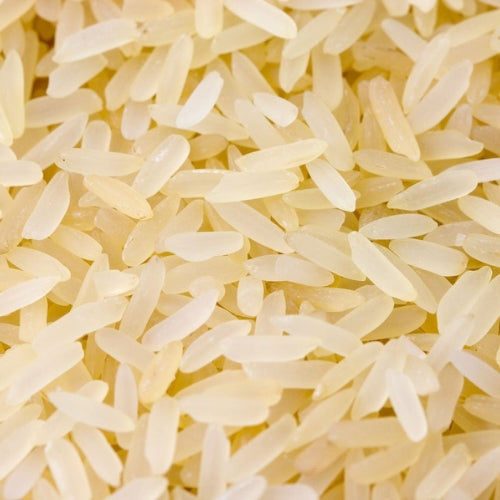
Grain length and aging: Genuine basmati has an unusually long grain-to-width ratio, and it’s typically aged for 12–24 months before sale. Aged grain cooks separate and fluffy; unaged basmati (sometimes sold cheap as new season) turns sticky and disappoints a customer mid-biryani.
-
Common varieties on UK shelves: 1121 Basmati (the extra-long grain most restaurants ask for by name), Pusa Basmati, and Traditional/Dehradun basmati for households who grew up on it. Stocking only one variety usually means losing a segment of your customer base.
-
Golden Sella vs. white/raw basmati: Sella is parboiled, holds its shape better in bulk cooking, and is what most caterers and takeaways specifically request. If you’re selling to any food business customers, not having Sella in 10–25kg bags is a gap.
-
Moisture content: Rice above roughly 14% moisture spoils faster and is more prone to weevils in storage, a real issue for stores that buy in bulk and hold stock for weeks.
The Sourcing Decision Nobody Talks About
Every basmati blog lists the same five brand names and calls it a buying guide. The decision that actually affects your margins is different: do you buy branded packs (Tilda, Daawat, Laila, Kohinoor) or source in bulk sacks from a wholesale importer and pack under your own or a generic label?
Branded packs sell themselves, customers recognise them, trust them, and will pay the premium. But your margin on branded rice is thin, because the brand has already done the marketing and taken their cut.
Bulk basmati rice sourced from a direct Indian rice wholesale importer costs less per kg, and if you’re selling loose or in your own packaging, your margin improves significantly. The trade-off is that you’re now responsible for the quality checks the brand used to handle for you, moisture testing, grain consistency, and checking the harvest year isn’t being sold to you as you age.
Most grocery stores that scale past a single location end up running both: branded basmati for retail shelf trust, and bulk-sourced basmati for their catering and restaurant-supply customers, where price per kg decides who gets the order.
Basmati Rice Is a Basket-Builder, Not Just a Line Item
Rice rarely gets bought alone. A customer buying a 10kg bag of basmati is very likely also buying dal, ghee, spices, and often frozen parathas or ready-to-cook curry bases in the same visit. Retailers who treat basmati as an anchor product, giving it good shelf placement, keeping stock consistent, and never letting it run out, see it pull sales across the rest of the Indian grocery aisle.
This is also why running out of basmati is costlier than running out of most other items: it doesn’t just lose you that sale, it loses you the entire basket, because the customer takes their whole shopping list elsewhere.
What to Check Before You Commit to a Supplier?
Before signing on with any rice supplier UK stores plan to depend on long-term, get clear answers on:
-
Harvest year and aging period, ask directly, don’t assume age on a label is accurate.
-
Packaging options, can they supply both retail-ready bags (1–10kg) and catering sacks (25kg+) from the same stock, or do you need two suppliers?
-
Consistency across orders, request a sample from the exact batch you’d be buying, not a representative sample from a different lot.
-
Delivery reliability, a missed basmati delivery during a festival week (Diwali, Eid) can cost a store its best sales days of the year.
-
Certification and documentation, food safety certification and clear labelling matter more now that UK compliance checks on imported food have tightened.
The Bottom Line
Basmati rice isn’t just another SKU on an Indian grocery store’s shelf, it’s the product that signals whether you’re a serious supplier of authentic ingredients or just another shop with a world foods aisle. Stores that get the sourcing, grading, and stock rotation right don’t just sell more rice. They earn the kind of repeat, basket-building loyalty that’s much harder to win back once lost to a competitor down the road.
If you’re sourcing wholesale basmati rice for a storeUK grocery, restaurant, or catering business, working with a supplier who understands both the product and the retail side of the business, not just the export side, makes the difference between a shelf that sells and one that sits. As an Indian wholesale grocery store online and Indian wholesale supermarket online, we work with retailers who need exactly this: rice they can trust batch after batch, without having to chase it down themselves.
Related Posts


Navratri Pooja Essentials Wholesale for UK Retailers
Navratri is one of the most widely celebrated Hindu festivals among Indian communities across the UK. The nine-day festival...
Read More

Choose the Right Vinayagar Chaturthi Kit for Your Customers
Vinayagar Chaturthi is an important occasion for Hindu families across the UK. In the days leading up to the...
Read MoreInvalid password
Enter