

























































Access Denied
IMPORTANT! If you’re a store owner, please make sure you have Customer accounts enabled in your Store Admin, as you have customer based locks set up with EasyLockdown app. Enable Customer Accounts


Why Bulk Wholesale Online Shopping Saves Time and Cost for Businesses?
Posted By Tamil Selvam
on
Running a food business doesn’t really pause. Stock runs low mid week, a supplier misses an item, a chef notices something isn’t fresh enough while prepping. In between all that, someone still has to figure out where the next bulk order is coming from. Restaurants, caterers, small grocery shops, even food production units all deal with this cycle constantly.
Bulk wholesale online ordering started getting attention mostly because it removes that physical back and forth. No early morning drives to cash and carry, no walking aisle to aisle checking what’s available, no last minute substitutions because something ran out before reaching the shelf. With platforms like Lakshmi Wholesale in the UK, the process shifts to a screen where stock, pricing, and availability are visible before anything is ordered.
The Real Cost of Traditional Grocery Sourcing
A typical sourcing day used to mean stepping out before opening hours, reaching a wholesale market while it’s still dark, loading crates, checking quality in a rush, then driving back before the kitchen or shop gets busy. That routine doesn’t show up as a line item in accounts, but it sits there in fuel costs, staff hours, and time pulled away from actual operations.
When multiple suppliers are involved, it gets more fragmented
-
One place for vegetables
-
Another for dry goods
-
Another for specialty items
Different bills, different delivery timings, and sometimes missing stock that only gets noticed after returning. Online wholesale systems remove that movement. Orders get placed in one go, and the comparison happens on screen instead of across locations.
How Bulk Buying Reduces Cost Per Unit?
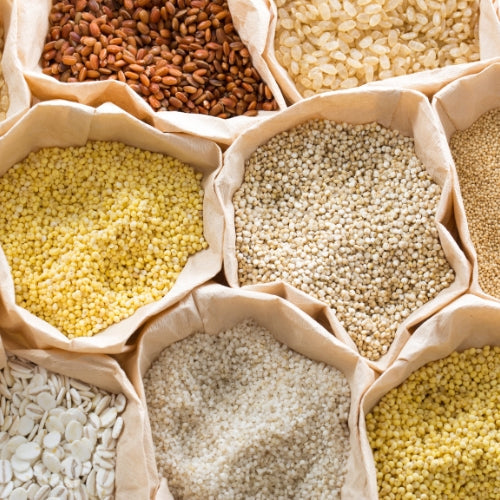
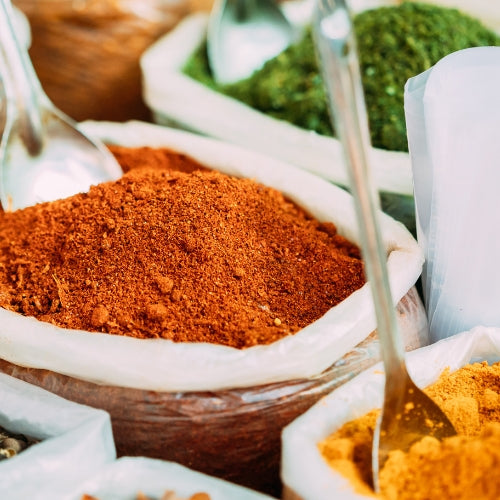
Bulk purchasing changes how pricing works, especially for ingredients that move fast in a kitchen. Items like rice, lentils, oils, flour, or spices don’t sit idle. They get used daily, sometimes within hours of arrival. Buying those in small quantities repeatedly keeps the cost higher every time.
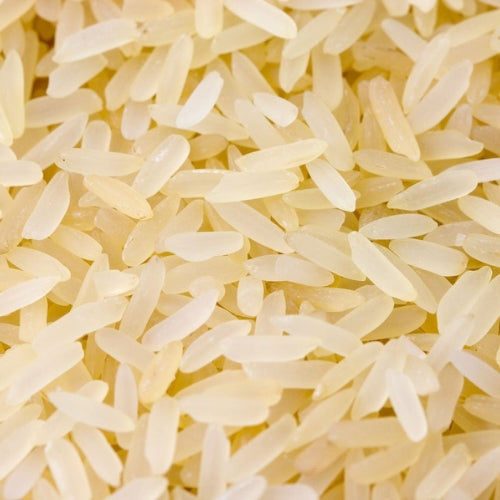
Take basmati rice as an example. A restaurant that uses around 50 kg a week doesn’t benefit from buying in smaller packs. Ordering that same quantity through a wholesale supplier brings the price per kilo down in a noticeable way. That difference shows up again the next week, and the week after that.
Over time, the shift becomes visible in areas like
-
Lower cost per kilo on high volume items
-
Fewer repeated purchases during the week
-
More predictable monthly spending
Time Savings Through Streamlined Wholesale Grocery Delivery
Time usually gets lost in small pieces
-
One hour to pick up stock
-
Another to wait for a delayed delivery
-
Another spent checking invoices from different vendors
It doesn’t look like much in a single day, but it stacks up.
With wholesale grocery delivery, the ordering and the receiving happen separately. Orders are placed in advance, deliveries arrive in scheduled slots, and stock gets checked once instead of multiple times across the week. Platforms like Lakshmi Wholesale allow businesses to repeat previous orders, adjust quantities, and plan ahead without restarting the process every time.
Instead of calling multiple suppliers to confirm availability, the information is already there before placing the order.
Why Indian Wholesale Grocery Stores Online Are Used by UK Businesses?
The kind of ingredients needed in UK food businesses isn’t uniform. A South Asian kitchen doesn’t use the same type of chilli as a Middle Eastern one, and even within Indian cooking, the variation is noticeable. One supplier not carrying a specific variety means someone has to look elsewhere.
Online Indian wholesale grocery Supplier bring these products into one catalogue
-
Tamarind paste
-
Gram flour
-
Curry leaves
-
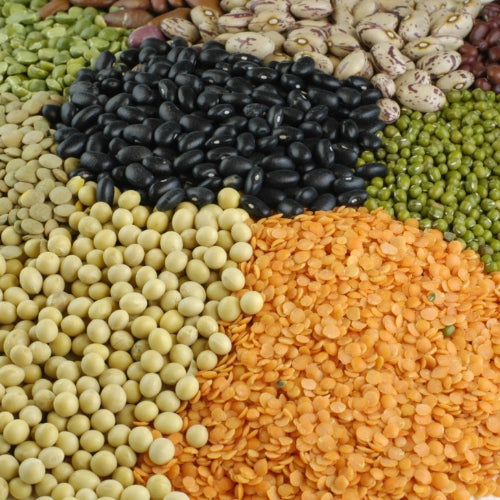
Different types of lentils
Availability is visible at the time of ordering, which reduces the need to check multiple sources just to complete a single order. It also avoids the situation where a product looks available but turns out to be out of stock after reaching the store.
Restaurant Grocery Supplies and Consistency
In a working kitchen, consistency shows up in small ways. The same spice blend tasting slightly different, or a vegetable not holding its texture during cooking, those things get noticed quickly. Suppliers who deal specifically with restaurant grocery supplies tend to focus on maintaining that consistency across orders.
Lakshmi Wholesale works around these requirements by keeping stock aligned with what commercial kitchens actually use
-
Quantities suited for bulk handling
-
Packaging that fits kitchen usage
-
Product range based on repeat demand
That reduces the need to adjust recipes or find alternatives mid service.
Working with One Wholesale Grocery Supplier
Managing multiple suppliers adds layers that aren’t always obvious until something goes wrong
-
A delayed delivery affects prep
-
A missing item means a last minute replacement
-
Multiple invoices need tracking
Working with a single supplier changes that flow. Orders are placed together, deliveries arrive together, and any issues get handled through one point of contact. It doesn’t remove every problem, but it reduces the number of moving parts involved in sourcing.
For businesses that are expanding, that reduction matters. More orders don’t automatically mean more complexity when the sourcing stays centralised.
Online Ordering and Day to Day Control
Online ordering changes how decisions get made during a regular workday
-
Orders can be placed at any time, even after closing hours
-
Previous orders stay saved for quick repeat purchases
-
Quantities can be adjusted based on weekly demand
-
Pricing is visible before confirming the order
That visibility helps when stock needs to be planned alongside demand, especially during busy periods or events.
Lakshmi Wholesale and Bulk Sourcing in Practice
Lakshmi Wholesale UK operates within this model by offering bulk grocery supplies through an online platform designed for UK food businesses. The range covers fresh produce, dry goods, spices, flours, rice, and other essentials used across different cuisines. Orders are placed online, scheduled, and delivered directly to businesses without requiring physical visits to wholesale markets.
The shift from traditional sourcing to bulk wholesale online ordering doesn’t happen all at once. It usually starts with a few products, then expands when the process feels easier to manage. Over time, more of the sourcing moves online, and the older routine of visiting multiple suppliers starts to drop off.
Related Posts


Popular Native Foods Products Your Grocery Shop Should Stock
Every grocery shop owner knows the value of products that bring customers back. Someone visits for their usual cooking...
Read More

Navratri Pooja Essentials Wholesale for UK Retailers
Ask anyone who runs an Indian shop in the UK about the week before Navratri, and you'll probably get...
Read MoreInvalid password
Enter