


























































Access Denied
IMPORTANT! If you’re a store owner, please make sure you have Customer accounts enabled in your Store Admin, as you have customer based locks set up with EasyLockdown app. Enable Customer Accounts


Why Wholesale Fruit and Vegetable Markets Are Vital for Fresh Supply in London?
Posted By Tamil Selvam
on
Walk into any busy kitchen in London at five in the morning, a restaurant prepping for lunch service, a catering company loading vans, a small grocery unpacking crates and the fruit and vegetables arriving at that hour didn't come from a supermarket. They came from a wholesale market or a wholesale supplier who was up before most of the city. That supply chain is older than most of the buildings around it, and it's still the thing holding London's fresh food infrastructure together.
London is one of the most food diverse cities in the world. The sheer range of cuisines being cooked and sold here South Asian, West African, Middle Eastern, East Asian, Caribbean, and everything in between creates a demand for fresh produce that a standard supermarket simply isn't built to meet. A chain supermarket stocks what sells in volume nationally. A wholesale market stocks what's actually in season, what specific communities cook with, and what restaurants need to keep their menus honest.
The Gap That Wholesale Markets Fill
The gap between what a mainstream retailer carries and what London's food businesses actually need is significant. Try sourcing fresh methi in bulk from a high street supermarket. Or raw jackfruit, or tinda, or a crate of curry leaves that isn't wilted. The wholesale market and increasingly the Indian wholesale grocery store online model built alongside it is where those gaps get filled.
This matters most for London's South Asian food businesses, which range from restaurant groups running multiple sites to independent grocers serving tight knit communities in Southall, Wembley, Tooting, and beyond. These businesses need wholesale fruits and vegetables that are actually fresh, culturally specific, and available in the quantities that make commercial cooking viable. A single bunch of coriander doesn't cut it when you're cooking for 200 covers.
The wholesale model exists precisely because those needs don't fit neatly into the retail model. Bulk buying, early delivery windows, produce sourced specifically for South Asian and broader Asian cooking these are structural requirements, not preferences.
Why Does Freshness Work Differently at Wholesale Scale?
There's a common assumption that bulk buying means compromising on quality. In practice, the opposite is often true when the supplier is doing the job properly.
Wholesale suppliers who are sourcing bulk fresh fruits and vegetables directly from farms, from import contacts, from market relationships built over years are often getting produce closer to harvest than a supermarket's centralised distribution model allows. Supermarkets run on longer lead times. Produce sits in regional distribution centres before it reaches a shelf. A wholesale supplier moving crates directly to a restaurant kitchen or a grocery store is working on a tighter turnaround.
For produce like fruits and vegetables used heavily in South Asian cooking, bitter gourd, drumstick, raw mango, and cluster beans, freshness isn't just a quality marker. It's the difference between a dish working and not working. A bitter gourd that's been sitting too long tastes different. A raw mango that's over ripened doesn't hold up in a curry. The people cooking with these ingredients know immediately. The wholesale supplier who understands that is worth more than a cheaper source who doesn't.
London's South Asian Food Businesses and What They Actually Need
The South Asian food economy in London is substantial and often underestimated. It's not just restaurants. It's wedding caterers, tiffin services, food market traders, sweet shop suppliers, temple kitchens, and community event caterers. All of them are sourcing produce regularly, in volume, and with very specific requirements.
For many of these businesses, the ability to order from an Indian wholesale supermarket online has changed the logistics considerably. Previously, someone had to physically go to a wholesale market, often New Covent Garden or a regional equivalent, load a van, drive back, unload. For a small business owner already running every other part of the operation, that's half a working day gone. Online wholesale ordering means the produce comes to the business instead. The catalogue is visible in advance. Stock levels are knowable before the order is placed. The order history is there for reference when planning next week's menu or event.
That shift doesn't eliminate the wholesale market, it extends its reach. The same produce, the same supplier relationships, the same sourcing logic accessible without the physical trip every single time.
Indian Grocery Delivery in London What's Changed
Indian grocery delivery London has moved considerably in the last few years. The expectation now particularly for business customers is next day or same week delivery on bulk orders, reliable stock of specific produce varieties, and a supplier who understands the difference between the green chillies used in Gujarati cooking and the ones used in Punjabi cooking. That specificity matters. It's not pedantry, it is culinary accuracy.
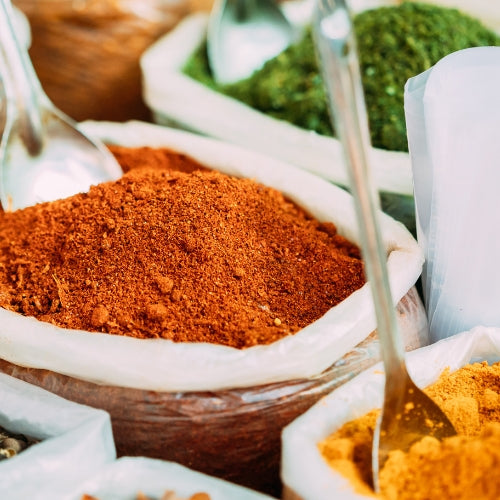
What's also changed is the range available through wholesale channels online. It's not just produce. Indian wholesale grocery pulses, flours, spices in bulk, canned and jarred goods, rice varieties, frozen items sit alongside the fresh produce, which means a food business can consolidate sourcing rather than placing orders with four different suppliers and managing four different delivery windows.
For a small restaurant or a catering business watching margins carefully, that consolidation has a real effect. Fewer deliveries, fewer invoices, fewer phone calls chasing up a missing item. The operational overhead of sourcing drops, and that time goes somewhere more useful.
Why the Supply Chain Matters Beyond Individual Businesses?
London's fresh food supply chain is something most people don't think about until it breaks. The pandemic made that visible in a way that was uncomfortable supply disruptions, empty shelves for specific products, price spikes on fresh produce that hit South Asian food businesses particularly hard because the produce they needed wasn't being prioritised by mainstream distributors.
What that period showed, for businesses paying attention, is that supplier relationships matter enormously. A wholesale supplier who knows your business, understands what you need, and is in direct contact with the source of the produce is more resilient than a platform that's just aggregating from whoever is cheapest that week. When supply gets tight, relationship based sourcing holds up better.
At Lakshmi Wholesale UK, the focus has always been on that kind of sourcing produce specific to South Asian and broader Asian cooking, bought in volume, delivered to London food businesses that need it reliably and fresh. The wholesale market isn't going anywhere. London's food economy is too dependent on it, and too diverse for any single retail model to replace what it does. What's changed is how that market is accessed and for businesses that have moved to ordering online, the friction of the old model is largely gone.
Related Posts


Popular Native Foods Products Your Grocery Shop Should Stock
Every grocery shop owner knows the value of products that bring customers back. Someone visits for their usual cooking...
Read More

Navratri Pooja Essentials Wholesale for UK Retailers
Ask anyone who runs an Indian shop in the UK about the week before Navratri, and you'll probably get...
Read MoreInvalid password
Enter