

























































Access Denied
IMPORTANT! If you’re a store owner, please make sure you have Customer accounts enabled in your Store Admin, as you have customer based locks set up with EasyLockdown app. Enable Customer Accounts


How to Choose the Right Indian Grocery Wholesale Distributor in the UK
Posted By Tamil Selvam
on
Choosing the right Indian grocery wholesale distributor in the UK is one of the most consequential decisions a retail business, restaurant operator, or catering company makes. wThe distributor sitting behind a business’s supply chain determines product quality, stock availability, pricing consistency, and ultimately whether the shelves, kitchen, or catering operation runs smoothly or lurches from shortage to substitution on a weekly basis. Yet the selection process for an Indian grocery wholesale distributor UK businesses rely on is frequently approached without the rigour it deserves, driven by price alone, or by proximity, or by whoever happened to pitch first.
The wholesale Indian food supplier landscape in the UK has matured considerably. More distributors are operating nationally, product ranges have expanded to cover the full breadth of South Asian grocery categories, and the infrastructure supporting bulk Indian groceries UK wide, cold chain, ambient warehousing, next-day delivery on large orders, has improved substantially. This makes the market more competitive and more capable, but it also means that meaningful differences between distributors exist across multiple dimensions simultaneously, and evaluating them requires a structured approach.
This guide provides exactly that, covering every dimension worth assessing when selecting an Indian wholesale grocery store online or physical distributor, what questions to ask, and what the answers should look like from a distributor worth working with long term.
Product Range Depth, The First and Most Important Test
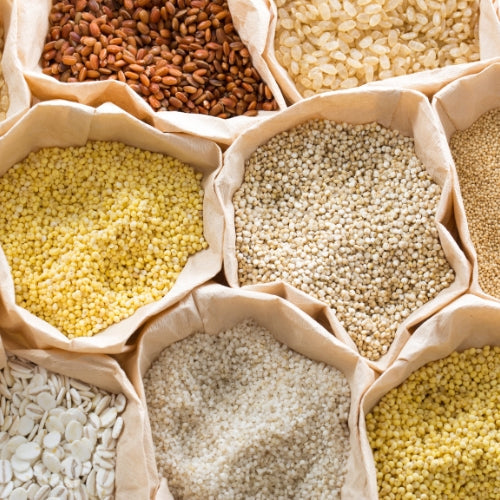
The foundation of any Indian supermarket wholesale UK relationship is product range. A wholesale Indian food supplier UK businesses can genuinely rely on needs to cover the full spectrum of South Asian grocery categories with meaningful depth, not a surface-level selection of the twenty most popular lines, but the complete range that a retail operation or restaurant kitchen actually needs across dry goods, spices, fresh and frozen products, beverages, snacks, and household items.
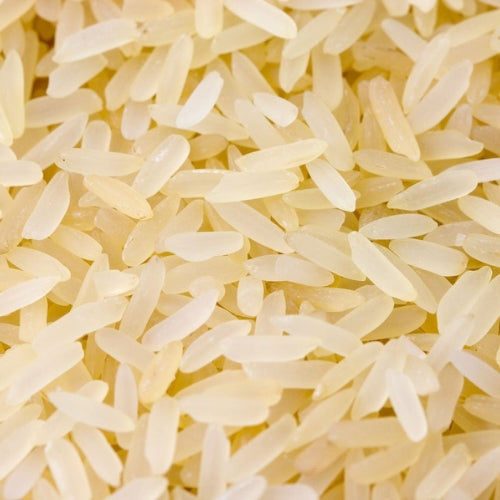
For South Indian groceries specifically, range depth is the most reliable differentiator between a serious Indian wholesale grocery store online and a generalist cash-and-carry that happens to carry a few Indian product lines. The full range of rice varieties, Seeraga Samba, Ponni, idli rice, Matta, basmati, signals genuine South Asian category expertise. A complete spice section covering branded South Indian masala powders from Sakthi, MTR, and Eastern alongside whole spices, blended curry powders, and regional specialty products signals the same.
When evaluating any Indian grocery wholesale distributor UK market, request a full product catalogue before discussions proceed to pricing. A distributor confident in their range will provide this readily. One that is reluctant to share it in full is often concealing gaps that will create operational problems further down the supply chain.
Pricing Structure and Minimum Order Requirements
Pricing in the bulk Indian groceries UK wholesale market operates across several tiers, and understanding the structure before committing to a supplier relationship is essential. Most serious Indian supermarket wholesale UK distributors operate tiered pricing, per-unit cost reduces as order volume increases, with defined thresholds at which each pricing tier activates.
Minimum order requirements vary significantly across the market. Some wholesale Indian food supplier UK operations require minimum orders measured in pallet quantities, which suits large retail operations but creates a barrier for smaller independent retailers or restaurant operators managing tighter cash flow. Others operate on minimum order values, a monetary threshold rather than a volume requirement, which offers more flexibility in how the basket is constructed across different product lines.
Beyond headline pricing, evaluate the full landed cost. Delivery charges, fuel surcharges, handling fees, and the cost of returns or credit claims for damaged or out-of-specification stock all affect the true cost of a wholesale relationship in ways that the per-unit product price does not capture alone. A distributor with slightly higher product pricing but no delivery charges above a reasonable order threshold, a straightforward returns policy, and consistent on-time delivery may represent better total value than a cheaper supplier whose operational reliability is poor.
Stock Reliability and Supply Chain Consistency
For any retail or foodservice operation, stock reliability is the wholesale relationship variable that causes the most operational disruption when it fails. Running out of toor dal the week before Diwali, or being unable to source Seeraga Samba rice during biryani season, because a wholesale Indian food supplier UK businesses depend on has not managed their import schedule properly is not an abstract inconvenience, it is lost revenue and damaged customer relationships.
Evaluating stock reliability before committing to an Indian grocery wholesale distributor UK relationship requires asking specific questions. What is the distributor’s lead time on replenishment for their fastest-moving lines? What happens when an imported product line is delayed at customs or faces a supply disruption? Is there a notification system that alerts customers to anticipated stock issues before they become fulfilment failures?
Distributors with robust import relationships, diversified sourcing across multiple suppliers for key lines, and proactive communication about stock issues are the ones whose reliability holds up under pressure. Those who discover they are out of stock only when an order cannot be fulfilled are operationally reactive rather than proactive, and that distinction matters enormously at scale.
Quality Assurance and Product Authenticity
The bulk Indian groceries UK wholesalemarket carries a specific quality risk that the mainstream grocery wholesale sector does not face to the same degree, product authenticity. South Asian consumers are sophisticated and discerning about brand provenance, regional product specifications, and the difference between Indian-imported formulations and locally manufactured versions that may carry the same brand name but deliver a different product.
A serious Indian wholesale grocery store online or physical distributor operating in this market sources from established importers with traceable supply chains, checks packaging dates and rotates stock to prevent aged inventory reaching retail, and can provide documentation on product origin where required. These are not exceptional standards, they are the baseline of professional wholesale operation in a category where product authenticity directly affects end customer satisfaction and retailer reputation.
When evaluating any Indian supermarket wholesale UK distributor, ask specifically about their import relationships, their stock rotation policy, and their quality claim process. The answers to these three questions will tell you more about operational quality than any sales presentation.
Delivery Infrastructure and Geographic Coverage
For Indian grocery wholesale distributor UK businesses operating outside London and the major South Asian population centres, delivery infrastructure and geographic coverage are decisive variables. A distributor with a strong product range and competitive pricing that only delivers reliably within the M25 is not a viable national wholesale partner.
Assess delivery coverage explicitly, not just whether a distributor claims national delivery, but what the actual lead times, minimum order thresholds, and delivery frequency look like for the specific postcode the business operates from. Next-day delivery on large orders to Birmingham or Manchester is meaningful; weekly delivery with a four-day lead time to Cardiff or Edinburgh may not be sufficient for a business managing tight stock levels.
Cold chain delivery capability is a separate assessment for any business sourcing fresh or frozen bulk Indian groceries UK wide. Temperature-controlled vehicles, insulated packaging for smaller frozen consignments, and clear protocols for product integrity during transit are all markers of a wholesale Indian food supplier UK businesses can trust with temperature-sensitive stock.
The Indian Grocery Wholesale Distributor Built for British Business?
For retail operations, restaurants, catering companies, and foodservice businesses across the UK seeking a reliable, range-complete Indian grocery wholesale distributor UK partner, Lakshmi Wholesale UK delivers across every dimension that matters. As a specialist Indian wholesale grocery store online and physical wholesale operation serving businesses nationwide, Lakshmi Wholesale UK combines an extensive product range covering the full South Asian grocery category, competitive tiered pricing, consistent stock reliability through established import relationships, and nationwide delivery infrastructure that serves businesses from London to Edinburgh.
Whether the requirement is bulk Indian groceries UK wide for a large retail operation, a reliable wholesale Indian food supplier UK restaurants can build menus around, or an Indian supermarket wholesale UK partner that understands the authenticity and quality standards South Asian consumers demand, Lakshmi Wholesale UK provides the supply chain foundation that serious South Asian food businesses across Britain need.
Related Posts


Popular Native Foods Products Your Grocery Shop Should Stock
Every grocery shop owner knows the value of products that bring customers back. Someone visits for their usual cooking...
Read More

Navratri Pooja Essentials Wholesale for UK Retailers
Ask anyone who runs an Indian shop in the UK about the week before Navratri, and you'll probably get...
Read MoreInvalid password
Enter