























































Access Denied
IMPORTANT! If you’re a store owner, please make sure you have Customer accounts enabled in your Store Admin, as you have customer based locks set up with EasyLockdown app. Enable Customer Accounts


Top Wholesale Indian Grocery Wholesalers for Bulk Lentils and Beans in the United Kingdom
Posted By Tamil Selvam
on
Opening a Sack and Checking the Batch
A sack of toor dal gets dragged in and dropped a little harder than needed. It makes that dull thud sound on the floor. Someone cuts it open with a blade that’s probably been used for everything else that morning. The top tears unevenly.
Hand goes in. Not scooping properly, just… feeling it.
Grain size, first. Then a quick look for dust. Sometimes a small stone shows up, and sometimes not. If it does, it gets flicked aside without much thought. If the color looks slightly duller than the last batch, it gets noticed and not discussed loudly, just a small pause.
There’s no long inspection. Another delivery is already waiting.
How Lentils and Beans Actually Move in Bulk?
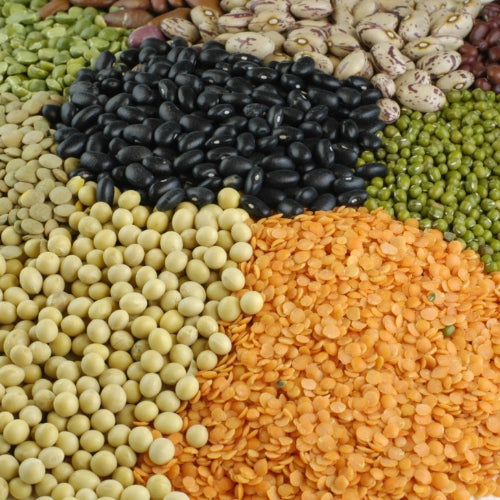
Lentils and beans don’t sit around long enough for overthinking. In a working kitchen, chana dal finishes quicker than expected on some days. In a shop, masoor dal empties from the shelf before the next delivery arrives. That’s how it moves. Fast enough that the next order is already being thought about while the current one is still being unpacked.
The supplier matters, but it doesn’t get analyzed in a formal way. It shows up in small moments. Like when someone pours dal into a container and realizes it looks slightly different from last week. That’s usually when the question comes up: Where was this ordered from again?
Where the Search for Suppliers Starts?
The search for suppliers doesn’t start neatly either. It might start with someone mentioning a name while unloading stock. Or a chef sending a message saying, "Try this place; their urad was better last time." Then someone checks online, usually through an Indian grocery wholesale supplier online , just to see if the supplier is listed there.
If they are, it makes things easier next time. If not, it stays as a saved number somewhere.
On most Asian grocery online platforms, the listings look straightforward. Lentils, beans, weights, prices. 10 kg, 20 kg, sometimes more. It looks simple until you actually have to pick one. Same product name, different suppliers, slightly different images. That’s where people slow down.
Lakshmi Wholesale UK comes up in that space because it shows stock clearly before ordering. Not in a complicated way. You can see what’s there and what’s not. For someone placing repeat orders, that matters more than anything else. No one wants to place an order and then get a call saying it’s out of stock.
Which Lentils Get Ordered More Often?
Different dals move differently. That becomes obvious after a few weeks of ordering.
-
Toor dal goes out quickly in places running daily meals
-
Chana dal sits for a bit, then suddenly finishes when snacks are being made
-
Masoor dal gets picked up steadily, not too fast and not too slow
-
Urad dal disappears in bulk when the batter is being prepared
No one writes this down formally. It just becomes known. Someone opening the storage container already knows if it’s time to reorder.
When buying lentils in bulk in the UK, the price is checked, yes, but not in isolation. Someone will pour it out, look at it, and sometimes even wash a small portion immediately. If it takes longer to clean, if there’s too much residue that sticks in memory. The next order doesn’t go there.
How Beans Fit Into Bulk Orders?
Beans don’t move the same way, but when they do, they move in bulk. Chickpeas, for example. A bag gets opened, and suddenly half of it is gone within a day or two. Chiles on the menu, or someone prepping for a larger order. That’s when the chickpeas wholesale UK Indian supply gets reordered faster than expected.
Kidney beans are different. They sit longer, then get used in batches. Rajma day, or prep for ready meals. Someone checks if they’ve softened properly after soaking. If not, it gets noticed immediately.
Black-eyed peas and green gram depend on who’s buying them. A shop in one area might keep more of it, another might barely stock it. That part changes depending on who walks in and what they ask for.
Different Types of Indian Grocery Wholesalers
Not all Indian grocery wholesalers work the same way. Some are fully online. Orders placed through an Wholesale Indian grocery shop online platform, delivery scheduled, done. Others don’t rely on that as much. Orders happen through calls, sometimes just a repeated message saying the same as last week.
Then there are the ones that don’t really show up online at all. You hear about them from someone else. Orders happen quietly and regularly, without much visibility outside that circle.
Lakshmi Wholesale UK sits somewhere in between. An online system, but built around bulk supply. You check, you order, and it gets delivered. No need to go anywhere physically. For someone handling multiple orders in a week, that’s easier than moving around to different suppliers.
What Gets Checked After Delivery Arrives?
First orders are always smaller. Even if bulk is available, no one jumps in immediately. A single bag gets ordered. It arrives. Then the checking starts.
-
Is there too much dust at the bottom
-
Are there stones mixed in
-
Does it look like the previous batch or slightly off
-
Does the weight feel right when lifted
In a kitchen, someone might cook a portion the same day. Not for service. Just to see. If it cooks unevenly or takes longer than expected, it’s noted. Quietly.
Retail shops look at it differently. They repack it into smaller bags. If it doesn’t look clean or consistent, it doesn’t go out immediately. Customers notice things like that faster than expected.
What Online Ordering Actually Changes?
Online ordering hasn’t removed these checks. It just moved the first step onto a screen.
-
Search
-
Compare
-
Add to cart
Then wait for delivery.
Once it arrives, everything becomes physical again. Open the bag. Look inside. Pour it out. The same process repeats every time.
Over time, the list of suppliers gets shorter. Not because options disappear, but because a few start working consistently. Those get repeated. Others get dropped quietly.
When Supply Changes Without Warning?
Stock doesn’t stay consistent forever, though. One week, everything is available. Next week, something is missing. Or replaced with a slightly different batch. That’s when adjustments happen. No planning, just reacting to what’s needed right now.
Some platforms update stock immediately. Others don’t. That gap shows up only after placing the order. Then someone has to call and sort it out.
How Bulk Ordering Becomes Routine?
After a while, it settles into a pattern. Not perfectly, but enough.
Orders get placed based on how fast things move. A restaurant might order every few days. A shop once a week. A caterer only when there’s an event coming up. No fixed system, just what works at that moment.
Lakshmi Wholesale UK fits into that routine for businesses that prefer ordering through an Indian grocery online store. Stock is visible, orders get repeated, small changes get made depending on usage.
Other Indian grocery wholesalers operate differently, but once a supplier works, the switching stops. At least for a while. Until something changes again.
Related Posts


Popular Native Foods Products Your Grocery Shop Should Stock
Every grocery shop owner knows the value of products that bring customers back. Someone visits for their usual cooking...
Read More

Navratri Pooja Essentials Wholesale for UK Retailers
Ask anyone who runs an Indian shop in the UK about the week before Navratri, and you'll probably get...
Read MoreInvalid password
Enter