




























































Access Denied
IMPORTANT! If you’re a store owner, please make sure you have Customer accounts enabled in your Store Admin, as you have customer based locks set up with EasyLockdown app. Enable Customer Accounts


Why Buying in Bulk Is the Best Choice for All of Us?
Posted By Tamil Selvam
on
A typical grocery run doesn’t always start with a list. Sometimes it starts with noticing something missing halfway through cooking. Oil running low. Rice is almost finished. A packet of lentils that looked full last week suddenly empty. Then comes the quick trip to the store, picking up small packs just to get through the next few days. It keeps repeating like that.
Bulk buying usually enters the picture when someone gets tired of those repeated trips. Not in a big, planned way. More like picking up a larger bag of rice once, then noticing it lasted longer than expected. Then maybe doing the same with flour or cooking oil. Over time, the pattern shifts without much effort.
What Changes When Buying Moves from Small Packs to Bulk?
The first thing that becomes noticeable isn’t the cost, it’s the gap between shopping trips. Instead of going out every few days, it stretches. A sack of rice sits in one corner. Larger containers get used for storage. The kitchen setup adjusts slightly to make space.
Bulk shopping for families often starts with items that don’t spoil quickly
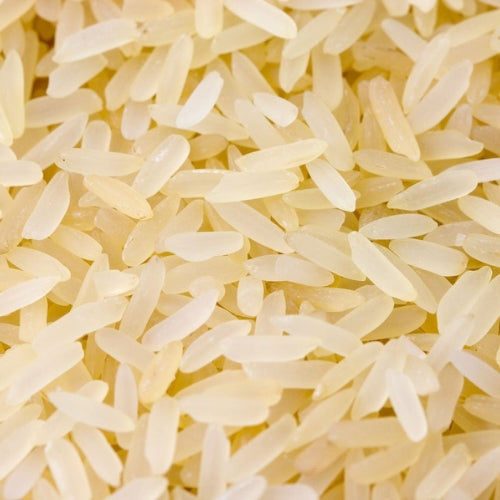
• Rice stored in airtight containers
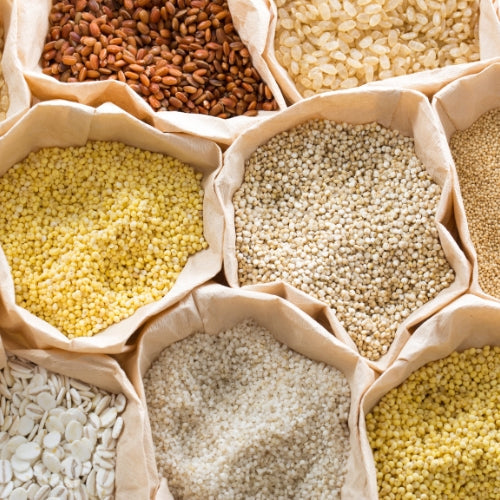
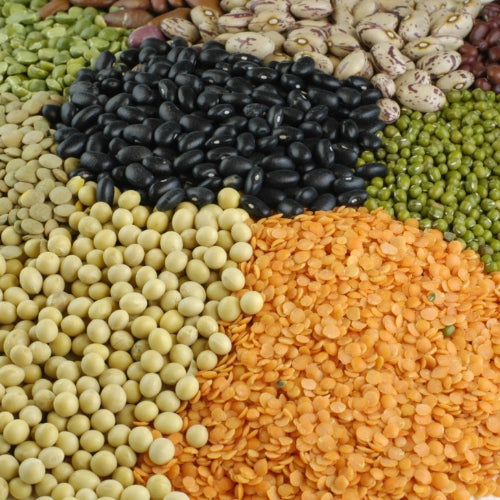
• Lentils that get used across multiple meals
• Cooking oil that lasts weeks instead of days
• Flour that doesn’t need replacing mid week
Once these are stocked, the smaller, frequent purchases reduce on their own. It’s not about planning less, it’s about not having to react every time something runs out.
How Bulk Buying Changes Monthly Spending Without Feeling Obvious?
The difference in spending doesn’t show up immediately. The first bulk purchase might even feel like spending more than usual. A 20 kg bag of rice costs more upfront than smaller packs, but it doesn’t get replaced every week.
After a couple of cycles, the pattern becomes easier to notice
• Fewer trips to the store
• Fewer impulse purchases during those trips
• Less spending on last minute replacements
Someone who buys smaller packs often ends up paying a slightly higher price each time without thinking about it. Bulk purchase advantages come from reducing those repeated costs.
When groceries are ordered in larger quantities, especially through online platforms, price comparisons also become clearer. It’s easier to see how much is being spent per kilo or litre instead of per packet.
Buying in Bulk Benefits for Families Managing Daily Meals
In households where cooking happens daily, certain ingredients move faster than others. Rice, flour, pulses, oil, these don’t sit unused. They form the base of most meals.
Bulk shopping for families usually focuses on these items first because they don’t go to waste easily when stored properly. Once stocked, it reduces the need to keep checking what’s running out.
There’s also a small shift in how meals get planned. Instead of adjusting meals based on what’s left in the kitchen, the focus moves to using what’s already stocked. That change happens slowly, but it becomes part of the routine.
Benefits of Bulk Buying Indian Groceries Online
Ordering Indian groceries online in bulk changes how the process feels. There’s no walking through aisles, no guessing if a product is in stock, and no carrying heavy bags back home.
Instead, the process looks different
• Browsing products with clear quantities and pricing
• Comparing sizes before adding to cart
• Scheduling delivery instead of planning a trip
The benefits of bulk buying groceries online also show up in how orders are repeated. Previous purchases stay visible, so reordering doesn’t require building the list again. Quantities can be adjusted based on how quickly something was used the previous time.
For many, this becomes the easier option over time, especially when managing larger households or busy schedules.
How Bulk Buying Reduces Monthly Expenses Over Time?
The cost difference builds slowly rather than showing up all at once. A slightly lower price per unit, fewer shopping trips, and fewer impulse buys all add up.
Some of the changes that contribute to lower monthly expenses include
• Buying staples at lower per unit cost
• Reducing repeated travel or delivery charges
• Avoiding frequent small purchases that add up
• Planning purchases based on usage instead of urgency
It’s not about cutting down on what’s bought, but about changing how often and how much is bought at a time.
Things That Usually Get Noticed After Switching to Bulk Buying
The shift isn’t only about money. There are small, practical changes that show up in everyday routines
• Fewer moments where something runs out mid cooking
• Less time spent planning quick store visits
• More consistent availability of staple ingredients
Storage becomes part of the routine as well. Containers get labelled, shelves get rearranged, and certain items get checked less frequently because they last longer.
Tips for Smart Bulk Shopping and Saving Money
Bulk buying works better when a few practical habits are followed. Not everything needs to be bought in large quantities, and some items don’t store well over time.
A few things that tend to make the process smoother
• Start with items that are used regularly and don’t spoil quickly
• Check storage space before increasing quantities
• Avoid bulk buying items that are rarely used
• Keep track of usage patterns before repeating large purchases
It’s not about filling up storage with everything at once. The shift usually happens in stages, starting with a few key items and expanding gradually.
Where Bulk Buying Fits into Everyday Life?
For some, bulk buying becomes part of a weekly routine. For others, it’s more occasional, based on when certain items run low. Either way, it reduces the need to keep responding to small shortages.
Over time, the difference shows up in fewer interruptions during cooking, fewer urgent trips to the store, and a steadier flow of ingredients in the kitchen. The process feels less rushed, and the focus shifts slightly from buying to using what’s already there.
Lakshmi Wholesale supports bulk purchasing through an online platform where groceries can be ordered in larger quantities and delivered across the UK. From staple ingredients to everyday essentials, the system allows households and businesses to manage their stock without repeated trips or last minute purchases.
The change from small pack buying to bulk doesn’t happen all at once. It usually starts with one or two items, then builds from there, depending on what gets used most often.
Related Posts


Popular Native Foods Products Your Grocery Shop Should Stock
Every grocery shop owner knows the value of products that bring customers back. Someone visits for their usual cooking...
Read More

Navratri Pooja Essentials Wholesale for UK Retailers
Ask anyone who runs an Indian shop in the UK about the week before Navratri, and you'll probably get...
Read MoreInvalid password
Enter