

























































Access Denied
IMPORTANT! If you’re a store owner, please make sure you have Customer accounts enabled in your Store Admin, as you have customer based locks set up with EasyLockdown app. Enable Customer Accounts


Onam Sadhya Bulk Ingredients: A Wholesale Buying Guide for UK Restaurants & Caterers
Posted By Anjaline Jayakumari
on
Sadhya bookings start coming in weeks before Thiruvonam, and by the time the actual day arrives, most caterers and restaurant kitchens are already running at full stretch. Getting the bulk buying right early, ideally through a dependable partner like Lakshmi Wholesale, is what makes the difference between a smooth run-up and a kitchen scrambling for curry leaves three days before the biggest booking of the year. The kitchens that struggle most through the season are rarely the ones with weak recipes or inexperienced chefs, they’re the ones that treated bulk buying as an afterthought rather than something worth planning out properly a full month ahead.
Start with rice volume, not rice quality alone
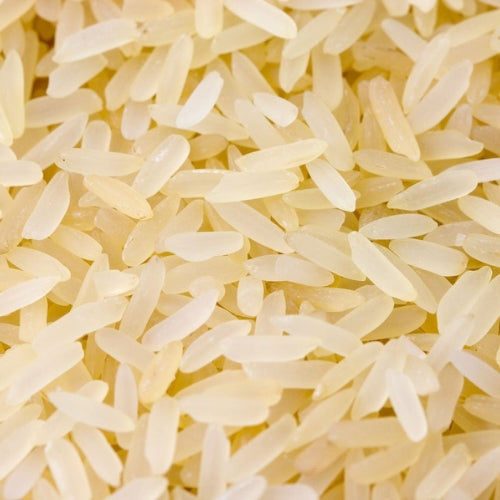
Matta rice needs to be ordered in quantities that actually match projected covers, not estimated on the fly. A caterer running twenty Sadhya bookings across the festival week needs a very different order size than a single restaurant doing daily specials, and getting that projection wrong either ties up cash in excess stock or leaves the kitchen short mid-season. It helps to work backwards from confirmed numbers rather than forwards from last year’s rough guess, since booking volumes rarely repeat exactly year on year, and a kitchen that grew its Onam sadhya Packs trade since last season needs to account for that growth in the order rather than defaulting to what worked twelve months ago.
Dal and pulses across the full Sadhya spread
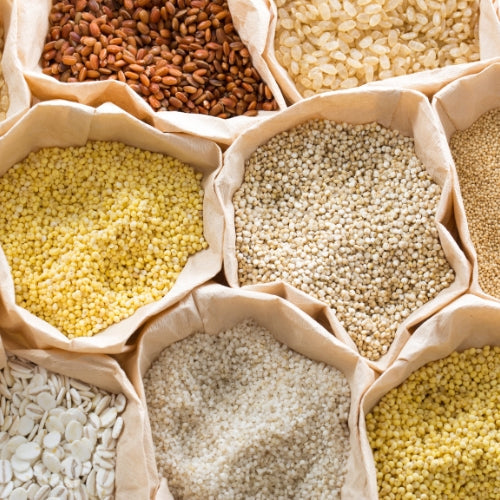
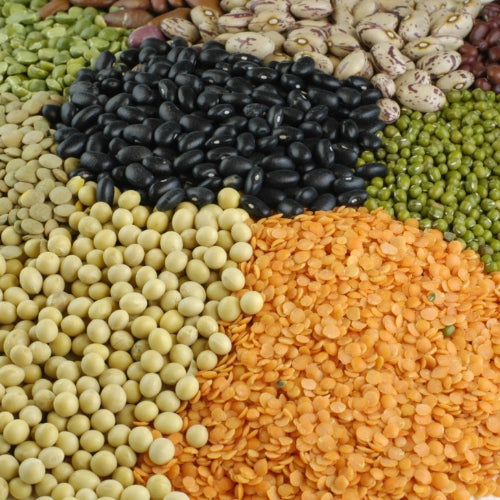
Parippu, sambar, and a handful of other dishes on a proper Sadhya menu all draw from the same base pulses. Ordering toor dal, moong dal, and urad dal in bulk through an Indian Wholesale Supermarket Online cuts down significantly on per-unit cost compared to retail-sized buying, which matters when margins on festival catering are already tight. Storage is worth factoring in here too, dal keeps well if stored properly, so there’s little downside to ordering slightly ahead of exact need, unlike some of the more perishable items further down this list.
Spice blends that need to scale without losing consistency
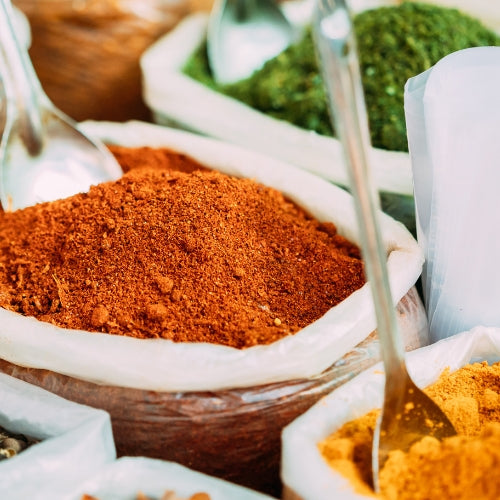
Sambar podi and rasam powder made in small batches can vary from one delivery to the next, and that inconsistency is exactly what a repeat catering client notices first. Buying from a supplier who can guarantee the same blend at scale protects the dish, not just the budget. Some kitchens make the mistake of switching suppliers mid-season to chase a slightly better price, only to find the flavour profile shifts enough that regular customers comment on it, which tends to cost more in reputation than the saving was ever worth.
Coconut products in catering quantities
A full Sadhya spread uses coconut in nearly every course, thoran, avial, payasam, the lot. Ordering coconut oil, milk, and grated coconut in bulk through a proper Indian Wholesale Grocery Online such as Lakshmi Wholesale, rather than buying retail packs repeatedly through the week, is one of the more obvious cost levers available here. It’s also one of the easiest ingredients to underestimate on a first Sadhya order, kitchens new to catering the full spread often assume they’ve ordered generously, then find coconut running low by the third or fourth day of a busy festival week.
Banana leaves, ordered with buffer stock
Demand for banana leaves spikes hard in the days before Thiruvonam, and suppliers do run short. Ordering with a margin above the exact headcount, rather than cutting it precisely to numbers, avoids the awkward last-minute call to guests about serving arrangements. A ten to fifteen percent buffer above confirmed covers tends to cover wastage from torn or unusable leaves without leaving too much surplus once the event’s over, and it’s a far cheaper insurance policy than the alternative of explaining to a table of fifteen why the Sadhya’s arriving on plates instead.
Payasam ingredients bought once, used across variations
Jaggery, cardamom, cashews, raisins, and rice ada or vermicelli cover most payasam variations a Sadhya menu is likely to include. Buying these together rather than separately for each variation saves both time and delivery costs. It also simplifies stock management considerably, since a kitchen tracking one consolidated payasam ingredient order rather than three or four separate smaller ones has far less room for something to be missed during a busy prep week.
Pickles, papadum, and banana chips as a single order
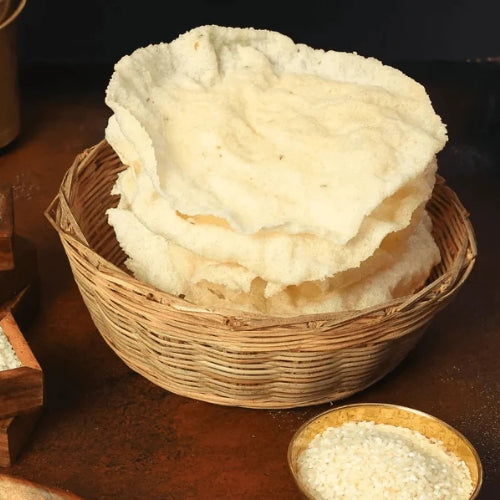
These finishing items are easy to underestimate on a bulk order because they feel minor individually, but across a full festival week of bookings they add up fast, and running short on any of them mid-service looks worse to a guest than it should. A Sadhya missing its pickle or papadum reads as an incomplete meal even if every major dish on the table is faultless, which makes these small-ticket items worth treating with the same seriousness as the rice and dal order rather than tacking them on as an afterthought.
Delivery timing matters as much as order size
Getting the volume right solves half the problem, timing solves the other half. Perishables like fresh curry leaves and grated coconut need to land close to service dates, while shelf-stable items like rice, dal, and spices can be ordered well in advance without risk. Splitting a single large order into a staggered delivery schedule, non-perishables early, perishables closer to the day, tends to reduce both wastage and the storage pressure that comes from trying to hold an entire festival week’s stock in a kitchen that wasn’t built for that kind of volume.
Building the order around actual booking numbers
The single biggest mistake in Onam Sadhya bulk buying isn’t choosing the wrong ingredients, it’s ordering against guesswork rather than confirmed booking numbers. Locking in supplier orders once bookings firm up, with a small buffer built in, tends to protect both the kitchen and the bottom line better than either overordering or underordering. Kitchens that treat the Sadhya period as a planned event, with a proper order built around real numbers and a reliable wholesale supplier behind it, consistently come out of the season with less wastage, steadier margins, and a lot fewer stressful phone calls than kitchens still buying on instinct three days out. Working with a supplier like Lakshmi Wholesale UK, who understands the shape of the festival season rather than treating every order as a one-off, tends to make that whole process considerably easier to plan around.
Related Posts


Popular Native Foods Products Your Grocery Shop Should Stock
Every grocery shop owner knows the value of products that bring customers back. Someone visits for their usual cooking...
Read More

Navratri Pooja Essentials Wholesale for UK Retailers
Ask anyone who runs an Indian shop in the UK about the week before Navratri, and you'll probably get...
Read MoreInvalid password
Enter