























































Access Denied
IMPORTANT! If you’re a store owner, please make sure you have Customer accounts enabled in your Store Admin, as you have customer based locks set up with EasyLockdown app. Enable Customer Accounts


Difference Between Retail Grocery and Wholesale Grocery Supply
Posted By Tamil Selvam
on
Why this difference matters more than you think
At first glance, grocery shopping seems straightforward. You either buy what you need for the week or you stock up when necessary. But the difference between retail and wholesale grocery supply runs deeper than quantity.
For many people in the UK, especially those exploring the Indian grocery market, the shift from retail to wholesale doesn’t happen all at once. It starts with a simple question: Is it better to keep buying small, or does it make more sense to buy in bulk?
That’s where understanding retail and wholesale grocery shopping becomes important. It’s not just about price. It’s about how you buy, why you buy, and what works better over time.
What does a retail grocery store really look like in everyday life?
Retail grocery shopping is what most people are used to. You buy what you need, when you need it. It’s flexible, convenient, and doesn’t require much planning.
In the context of the UK, this often means visiting a nearby shop or placing an order through an indian grocery online store. The focus is on smaller quantities, quick decisions, and immediate use.
You might pick up a bag of rice, a small packet of spices, or just enough vegetables for a few days. There’s no pressure to think long term. The purchase fits into your routine rather than changing it.
Retail works well for households, students, or anyone who prefers not to store large amounts of food. It also suits those who like variety, as buying in smaller quantities allows for more frequent changes in what you cook.
But over time, one thing becomes noticeable. The cost per unit is usually higher. You don’t feel it immediately, but it adds up.
How wholesale grocery supply works differently
Wholesale grocery supply operates on a different logic. Instead of focusing on convenience, it focuses on volume and consistency.
When people explore an indian wholesale grocery store online or an indian wholesale supermarket online, they’re not just buying groceries. They’re deciding to buy in larger quantities, often for longer periods.
This approach is common among restaurants, catering businesses, and small retailers. But increasingly, even households are starting to consider it, especially when looking for cost savings in wholesale groceries.
The idea is simple. The more you buy, the lower the price per unit. But this comes with its own adjustments. You need storage space. You need to plan your usage. And you need to be sure that what you’re buying will actually be used.
Wholesale isn’t about immediate need. It’s about anticipating future needs.
The difference in pricing isn’t just about numbers
One of the most talked-about aspects of wholesale groceries is pricing. And while it’s true that wholesale offers better rates, the difference isn’t always obvious at first.
In retail, you pay for convenience. The product is packaged in smaller quantities, easier to handle, and readily available. In wholesale, the packaging is larger, simpler, and designed for efficiency rather than display.
This is where bulk grocery suppliers stand out. They reduce costs by selling in larger volumes, often with fewer intermediaries. That reduction gets reflected in the price.
However, the real benefit appears over time. A single purchase might feel expensive upfront, but when spread across weeks or months, it often works out significantly cheaper.
Variety versus consistency
Retail and wholesale also differ in how they handle variety.
Retail environments are designed to offer options. You can try different brands, experiment with new ingredients, and switch preferences easily. This flexibility is one of the reasons why retail remains popular.
Wholesale, on the other hand, leans towards consistency. You choose a product, and you commit to it for a longer period. This works well for businesses that need uniformity in their cooking or sales.
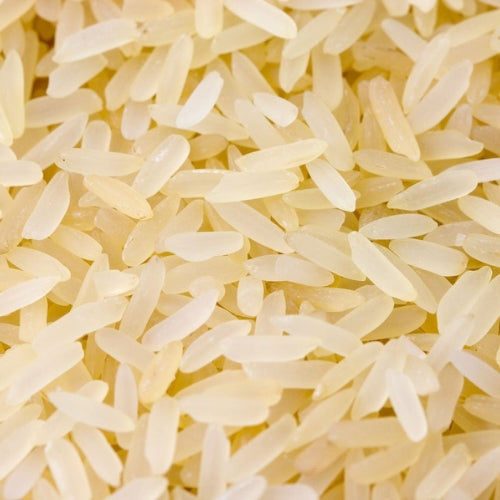
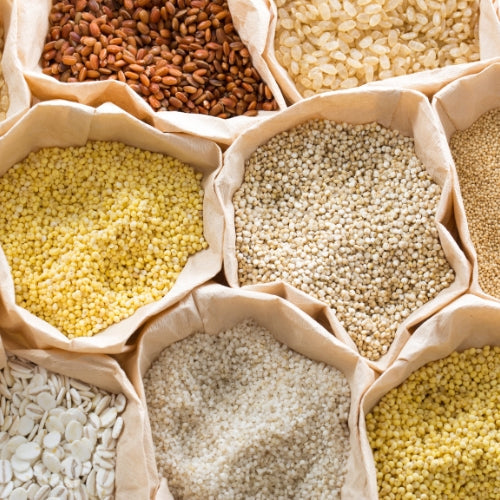
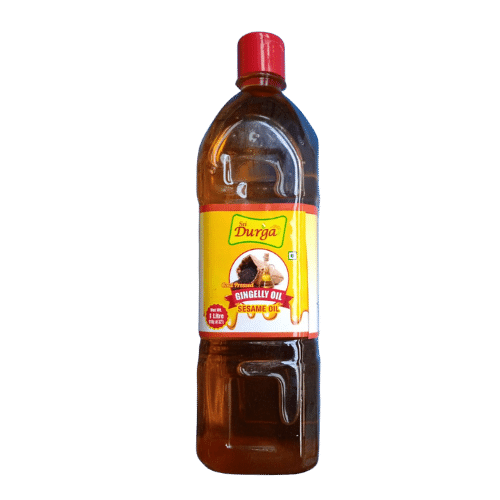
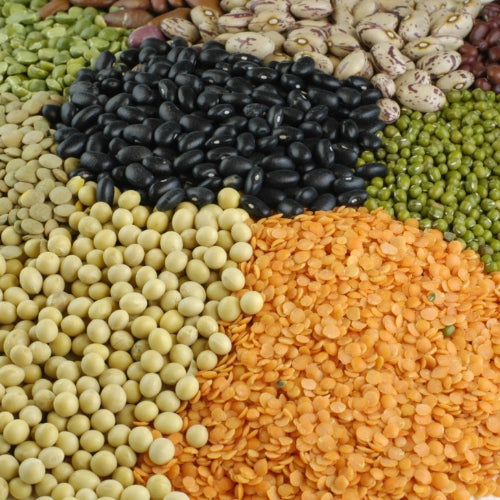
In the Indian grocery market, this difference becomes more noticeable. Retail platforms may offer a wider selection of niche or regional products, while wholesale suppliers focus on high-demand staples like rice, flour, lentils, and cooking oils.
Storage and practicality
One of the less discussed but important differences is storage.
Retail purchases fit easily into everyday storage spaces. A few shelves, a small pantry, or a refrigerator is usually enough. There’s no need to reorganise your kitchen.
Wholesale purchases change that dynamic. Larger quantities require proper storage to maintain quality. This might mean airtight containers, additional shelving, or even dedicated storage areas.
For businesses, this is expected. For households, it requires adjustment.
This is often the deciding factor for those considering a shift to indian wholesale grocery store online options. The savings may be attractive, but practicality plays an equally important role.
Who benefits most from wholesale groceries?
Wholesale grocery supply is not limited to businesses, but they remain the primary users.
Restaurants rely on bulk purchases to maintain consistency and control costs. Catering services depend on a reliable supply. Small retailers source from bulk grocery suppliers to stock their shelves.
However, larger families and shared households in the UK are also beginning to explore wholesale options. When consumption is high and consistent, buying in bulk becomes a logical step.
Those who regularly use staples like rice, atta, lentils, and oil often find that switching to indian wholesale supermarket online platforms reduces their overall grocery expenses.
When retail still makes more sense
Despite the advantages of wholesale, retail continues to hold its place.
For items that are perishable or used occasionally, buying in smaller quantities is more practical. Fresh vegetables, dairy products, and specialty ingredients often fall into this category.
Retail also works better for those who prefer flexibility. If your cooking habits change frequently, or if you enjoy trying new products, committing to bulk purchases may not be ideal.
In many cases, people don’t choose one over the other. They combine both.
Staples are purchased through wholesale groceries, while fresh and occasional items are bought through retail channels. This balance allows them to benefit from both convenience and cost savings.
The role of online platforms in both models
The rise of online shopping has made both retail and wholesale more accessible.
An indian grocery online store allows quick and convenient retail purchases, often with a wide range of products. At the same time, an indian wholesale grocery store online offers bulk buying options that were once limited to physical warehouses.
This shift has made it easier for individuals to explore wholesale without fully committing to traditional bulk buying systems.
It has also expanded the reach of the Indian grocery market in the UK, connecting suppliers and customers more efficiently than before.
Finding the right balance
Choosing between retail and wholesale isn’t about deciding which one is better. It’s about understanding what works for you.
If convenience, flexibility, and smaller quantities suit your lifestyle, retail remains the better option. If you’re looking for long-term savings and consistency and are comfortable managing larger quantities, wholesale becomes more appealing.
Most people eventually find a balance between the two. They rely on retail for immediate needs and turn to wholesale groceries for essentials that are used regularly.
A practical way to approach grocery shopping
In reality, grocery shopping is less about categories and more about habits.
You notice what you use often. You recognize what runs out quickly. And over time, you adjust how you buy.
For many in the UK, especially those familiar with the Lakshmi Wholesale UK, this naturally leads to a mix of retail and wholesale purchasing.
And that’s where the real advantage lies. Not in choosing one system over the other, but in using both in a way that makes everyday life simpler, more efficient, and more cost-effective.
Related Posts


Popular Native Foods Products Your Grocery Shop Should Stock
Every grocery shop owner knows the value of products that bring customers back. Someone visits for their usual cooking...
Read More

Navratri Pooja Essentials Wholesale for UK Retailers
Ask anyone who runs an Indian shop in the UK about the week before Navratri, and you'll probably get...
Read MoreInvalid password
Enter