






















































Access Denied
IMPORTANT! If you’re a store owner, please make sure you have Customer accounts enabled in your Store Admin, as you have customer based locks set up with EasyLockdown app. Enable Customer Accounts


Top 10 Kerala Grocery Essentials Every South Indian Restaurant in the UK Should Stock
Posted By Anjaline Jayakumari
on
Walk into most South Indian restaurant kitchens in the UK around August and the stockroom looks noticeably fuller than usual. Owners know what’s coming. Onam season pulls in extra footfall, extra catering orders, extra Onam Sadya Packs, and running short on a single ingredient mid-service is the kind of thing that gets remembered by regulars for the wrong reasons. Sourcing from an Indian Wholesale Grocery Store Online like Lakshmi Wholesale, rather than juggling multiple small suppliers, tends to be what separates kitchens that sail through the season from ones that spend it firefighting. The list below covers the ten essentials worth having a solid supply chain behind, not just for Onam, but for keeping a South Indian menu running properly through the rest of the year too.
Rice that actually holds up under volume
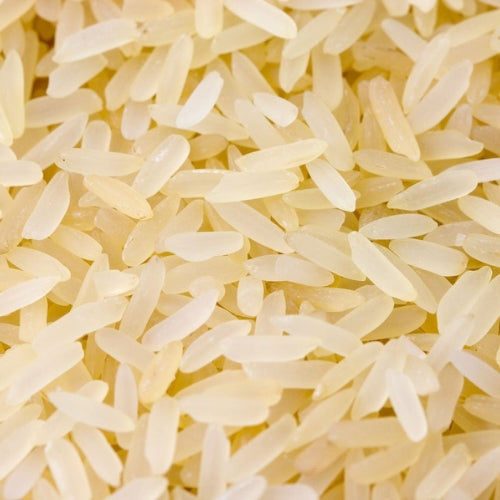
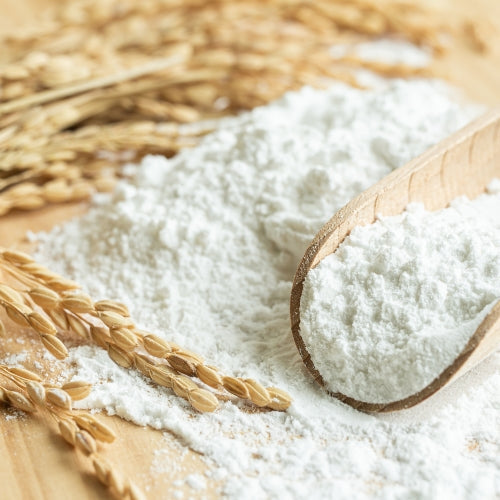
Kerala matta rice is the backbone of any serious South Indian menu, and it needs to be bought in bulk rather than picked up bag by bag from a regular supplier. Grain consistency matters more at scale than most owners expect, a batch that cooks unevenly shows up in every single plate that goes out that service, not just one. Kitchens that switch suppliers frequently to chase price often end up dealing with exactly this problem, small variations in grain quality that a regular customer might not name outright but will still notice on the plate.
Lentils and pulses, bought ahead of the rush
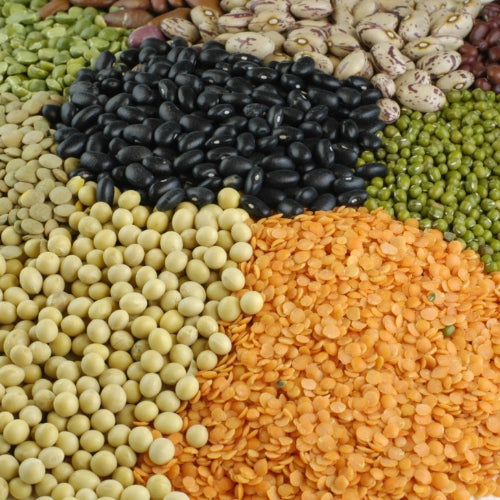
Toor dal, moong dal, urad dal. These get burned through fast once sambar and parippu are on the daily menu, and running a kitchen close to empty on dal during a busy weekend is a preventable mistake. Ordering through an Indian Wholesale Supermarket Online with reliable delivery windows takes this off the worry list entirely. Since dal stores well compared to most other kitchen staples, there’s little reason to keep ordering it in small batches when a single larger order, properly stored, covers weeks of service without any real downside.
Sambar podi and rasam powder, sourced properly
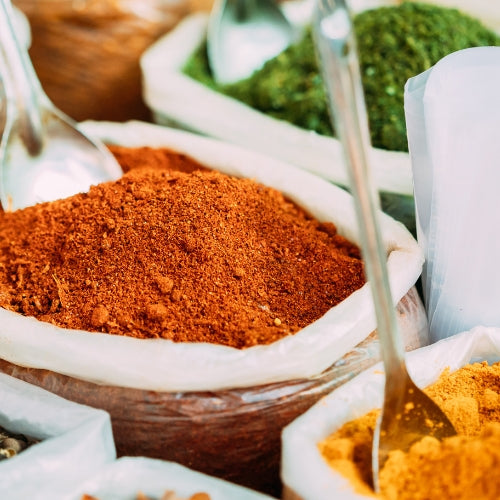
Generic spice mixes don’t survive a discerning South Indian customer base. Kitchens serving a genuine Kerala menu need sambar podi and rasam powder that taste consistent batch after batch, not whatever’s cheapest that week. Repeat customers notice the difference before they can even name it, and a kitchen that’s built a loyal following on the strength of its sambar can lose that trust surprisingly fast if the supplier or the blend changes without warning. Sticking with one dependable source for these two items alone is worth more to a restaurant’s reputation than most owners initially credit.
Curry leaves, fresh and in volume
Dried curry leaves have their place, but any kitchen doing real covers needs fresh stock delivered regularly. It’s one of the few ingredients where the gap between fresh and dried actually changes how a dish tastes to the person eating it. Fresh curry leaves also have a short shelf life, which means the ordering rhythm needs to be tighter than for something like rice or dal, smaller, more frequent deliveries rather than one large stockpile that half goes to waste before it can be used.
Coconut, across every form it comes in
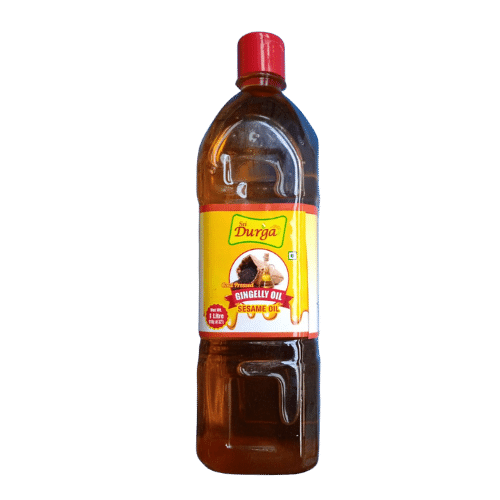
Grated coconut, coconut milk, coconut oil, desiccated coconut. Kerala cooking runs on it, and a kitchen buying coconut oil in small retail-sized bottles instead of catering volumes is quietly overpaying every single week. Beyond the cost difference, having all four forms reliably in stock at once also opens up menu flexibility, a kitchen that’s occasionally short on grated coconut ends up cutting corners on thoran or avial, and that’s usually visible on the plate to anyone who’s had the dish done properly before.
Banana leaves for the real thing
Sadya service without banana leaves isn’t really Onam Sadya. Sourcing these consistently, especially around Onam when demand across every South Indian restaurant spikes at once, needs a supplier who can actually guarantee stock rather than a last-minute scramble. Restaurants that build banana leaf sourcing into their standing weekly order, rather than treating it as a seasonal one-off purchase, tend to have far fewer awkward conversations with guests when a booking runs larger than expected.
Jaggery and cardamom for payasam
Every payasam variation on the menu draws from the same base ingredients, so buying jaggery and cardamom in bulk rather than piecemeal tends to be one of the simpler cost savings available to a busy kitchen. Both ingredients also keep well over time, which means there’s genuinely little risk in ordering more than the immediate week’s needs, unlike some of the fresher items further up this list.
Pickles and papadum as standing menu items
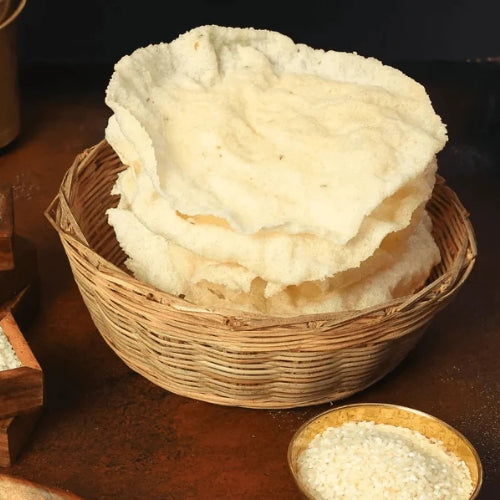
Mango pickle, lime pickle, papadum, these aren’t seasonal extras, they’re standing menu fixtures that need reliable stock year-round, not just during festival months. A kitchen that treats these as an afterthought order, topped up only when someone notices the shelf’s nearly empty, ends up running short at exactly the moments it matters most, on a busy Saturday with a full dining room and no time to sort a same-day delivery.
Turmeric and mustard seeds, checked for freshness
Small ingredients, easy to overlook, and easy to let go stale on a shelf without noticing. Turmeric especially loses potency over time in a way that’s not always obvious until a dish comes out slightly duller than usual. Worth building both into a proper rotation rather than an afterthought order, checking stock dates regularly rather than assuming a jar bought months ago is still doing its job.
A supplier that can actually keep pace
None of the above matters much without a wholesale partner who can deliver consistently through a season where every kitchen in the country is ordering the same things at once. Building the relationship with one dependable Indian Wholesale Grocery Store Online well before Onam hits, rather than scrambling once it has, tends to be the difference between a smooth season and a stressful one. Kitchens that treat their wholesale supplier as a long-term partner rather than a transactional expense, checking in ahead of peak periods and giving early notice of expected volume, generally get better service and more reliable stock when demand across the whole industry spikes at the same time. For restaurants looking to lock that relationship down ahead of the next Onam rush, Lakshmi Wholesale UK is worth building into that supply chain early rather than late.
Related Posts


Popular Native Foods Products Your Grocery Shop Should Stock
Every grocery shop owner knows the value of products that bring customers back. Someone visits for their usual cooking...
Read More

Navratri Pooja Essentials Wholesale for UK Retailers
Ask anyone who runs an Indian shop in the UK about the week before Navratri, and you'll probably get...
Read MoreInvalid password
Enter