





















































Access Denied
IMPORTANT! If you’re a store owner, please make sure you have Customer accounts enabled in your Store Admin, as you have customer based locks set up with EasyLockdown app. Enable Customer Accounts


Types of Rice Used in Indian Cooking and Their Traditional Uses
Posted By Tamil Selvam
on
Open a sack of rice in an Indian kitchen and someone will pause for a second before washing it. Not because they forgot what to do next, but because the grain itself tells them what it’s meant for. Long, thin grains don’t go into idli batter. Short, soft grains don’t end up in biryani. That decision happens almost automatically once you’ve cooked with these varieties a few times.
For businesses in the UK, especially restaurants and caterers, keeping these varieties stocked used to involve checking different stores or waiting for specific deliveries. Now most of it comes through an Indian Wholesale Grocery Store Online, where the same types can be ordered again without rechecking every detail each time.
Basmati Rice and Its Use in Layered Dishes
Basmati rice is usually the first one people point to. The grains are long, and when cooked properly, they don’t stick together. But even here, there’s a small difference someone notices while rinsing it. Aged basmati feels lighter and cooks with a bit more separation compared to newer stock.
In biryani preparation, that separation matters. The rice is partially cooked, then layered with masala, meat, or vegetables, and left to finish on low heat. If the grain breaks or clumps, it shows immediately when the lid comes off.
Basmati is commonly used for
• Biryani where layering and grain separation are visible
• Pulao where the rice absorbs flavour but stays intact
• Plain rice served with North Indian gravies
In commercial kitchens, bulk basmati rice is almost always stored in larger quantities because it moves quickly. Ordering through an Indian Wholesale Supermarket Online avoids the need to keep replacing smaller packs through the week.
Sona Masoori and Everyday Meals
Sona masoori doesn’t stand out the way basmati does, but it’s the one used most often in daily cooking. The grains are shorter and softer after cooking. When mixed with sambar or dal, it blends easily without feeling too heavy.
In South Indian meals, this is the rice that gets served on a plate with multiple sides. Someone eating with their hands will notice how easily it mixes with gravies.
Typical uses include
• Daily meals with dal, sambar, or rasam
• Curd rice where softness matters
• Simple vegetable rice dishes
Bulk sona masoori rice is usually reordered on a fixed cycle in restaurants because it forms part of the daily menu rather than occasional dishes.
Idli Rice and Fermented Batter
Idli rice looks slightly thicker and behaves differently once soaked. When it’s ground with urad dal, the batter has a certain texture that helps it ferment overnight. By morning, it rises enough to produce soft idlis.
Trying the same process with regular rice changes the result. The batter doesn’t ferment the same way, and the idlis turn dense.
Idli rice is used for
• Idli
• Dosa batter in combination with other rice types
• Uttapam
Kitchens that prepare batter in large quantities usually keep this as a separate stock item. Ordering it through Indian grocery delivery helps maintain consistency between batches.
Ponni Rice and Mixed Rice Dishes
Ponni rice sits somewhere in between. It holds its shape slightly better than sona masoori but isn’t as long or aromatic as basmati. When mixed with flavoured rice dishes, it doesn’t break easily.
You’ll see ponni rice used in
• Lemon rice and tamarind rice
• Coconut rice
• Meals where rice is mixed with thicker gravies
For catering setups, this variety often gets used in bulk because it handles large scale cooking without turning mushy.
Broken Rice in Specific Preparations
Broken rice isn’t always kept separately in smaller kitchens, but in larger setups it has its own use. The grains cook faster and give a softer consistency.
It appears in
• Pongal where a softer texture is needed
• Some dosa batters
• Regional dishes that don’t require whole grains
Because of the cost difference, some businesses include it in their regular orders through an Indian Wholesale Grocery Store Online along with other varieties.
Parboiled Rice and Firm Texture Cooking
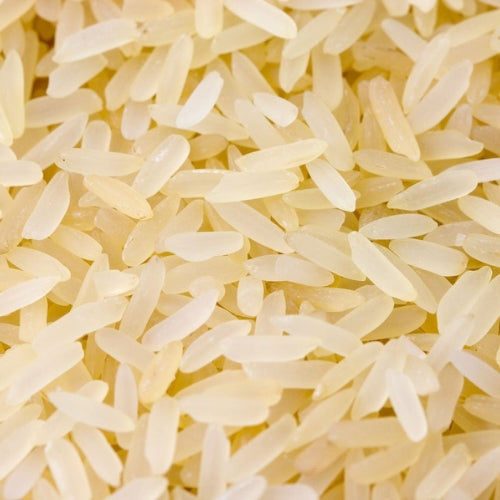
Parboiled rice goes through partial boiling before milling. The grains look slightly yellow and cook into a firmer texture.
In kitchens where food is prepared earlier and served later, this rice holds up without turning too soft.
It is used for
• Meals paired with spicy gravies or fish curry
• Kerala style dishes
• Situations where rice needs to stay firm after cooling
This variety is less visible in standard retail outlets, so it is often sourced through an Indian Wholesale Supermarket Online where availability is easier to check before ordering.
How Different Varieties Get Managed in UK Kitchens?
In a working kitchen, rice is not treated as a single ingredient. Separate containers, separate labels, sometimes even different washing and soaking times. A cook reaching for basmati won’t pick up sona masoori by mistake because the outcome changes too much.
Stock levels are usually tracked based on how frequently each variety is used
• Basmati reduces faster in restaurants serving biryani
• Sona masoori moves steadily in daily meal services
• Idli rice gets restocked based on batter preparation cycles
Ordering through Indian grocery delivery makes it easier to keep these patterns consistent. Instead of checking multiple shops, the same varieties are reordered with small adjustments in quantity depending on the week.
Availability Through Wholesale Supply
Access to these rice types in the UK has become more straightforward with online wholesale systems. Businesses that once depended on physical visits to different suppliers now place orders through a single Indian Wholesale Grocery Store Online and receive bulk quantities directly.
Lakshmi Wholesale supplies a range of Indian rice varieties including bulk basmati rice and bulk sona masoori rice, along with other essential types used across different regional cuisines. Orders are placed online, scheduled based on requirement, and delivered without the need to visit multiple stores.In most kitchens, once a particular variety works for a dish, it stays that way. The same rice gets reordered, stored in the same container, and used the same way the next time.
Related Posts


Popular Native Foods Products Your Grocery Shop Should Stock
Every grocery shop owner knows the value of products that bring customers back. Someone visits for their usual cooking...
Read More

Navratri Pooja Essentials Wholesale for UK Retailers
Ask anyone who runs an Indian shop in the UK about the week before Navratri, and you'll probably get...
Read MoreInvalid password
Enter